YCIS PORTFOLIO
IGCSE SUBMISSIONS
For the IGCSE submission, the expectation is that the students complete two parts - Coursework and Final Exam during Year 11.
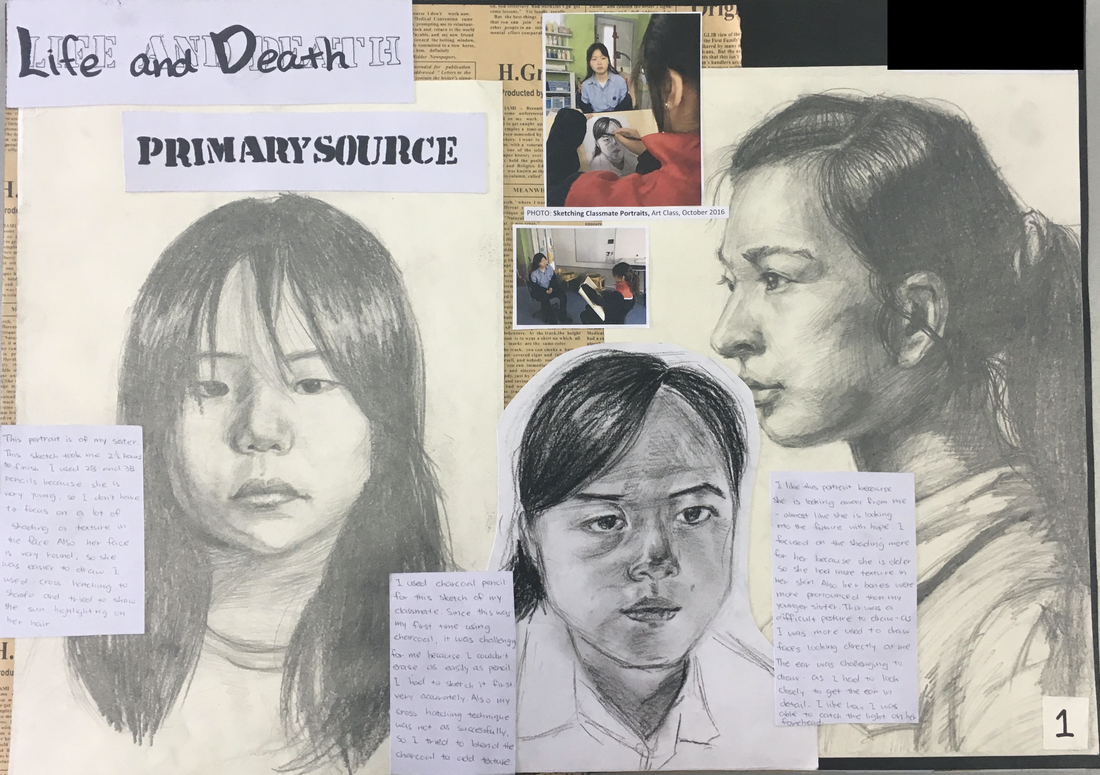
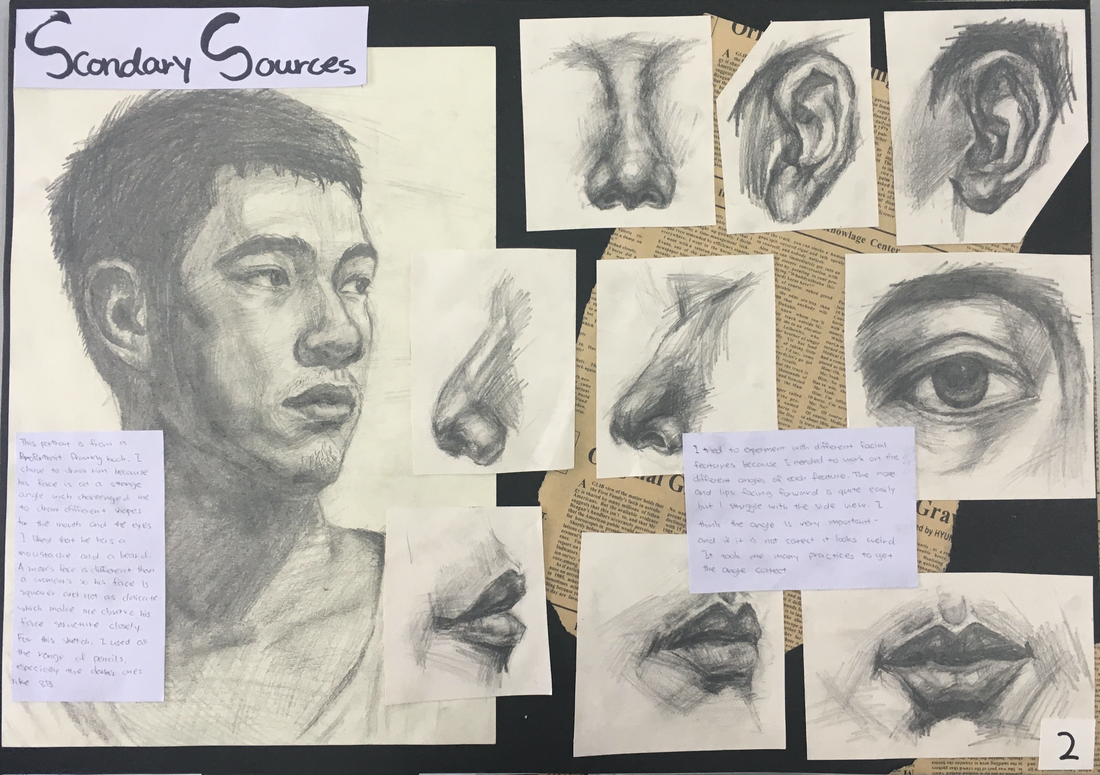
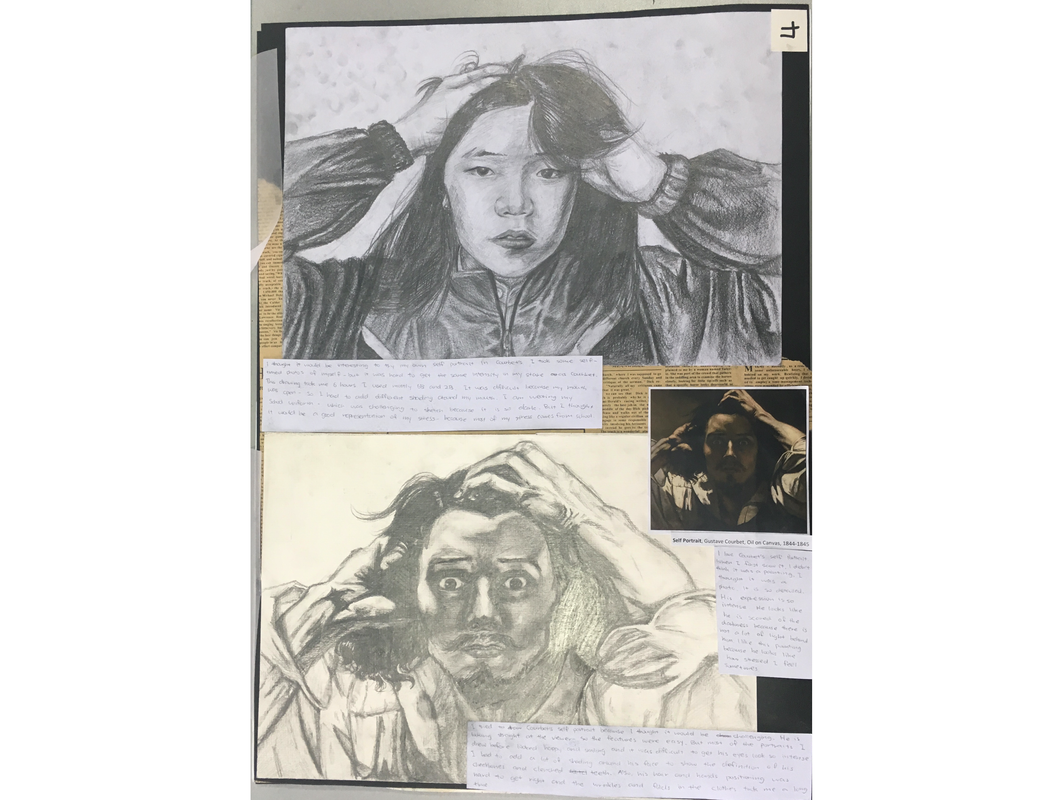
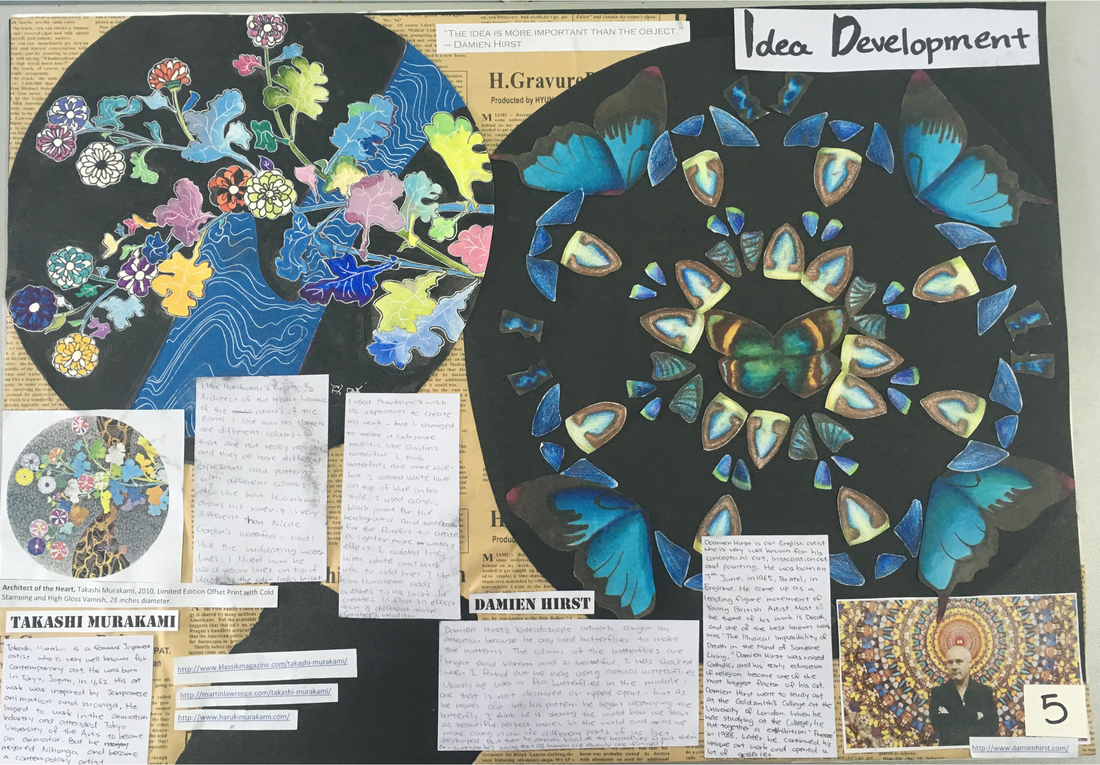
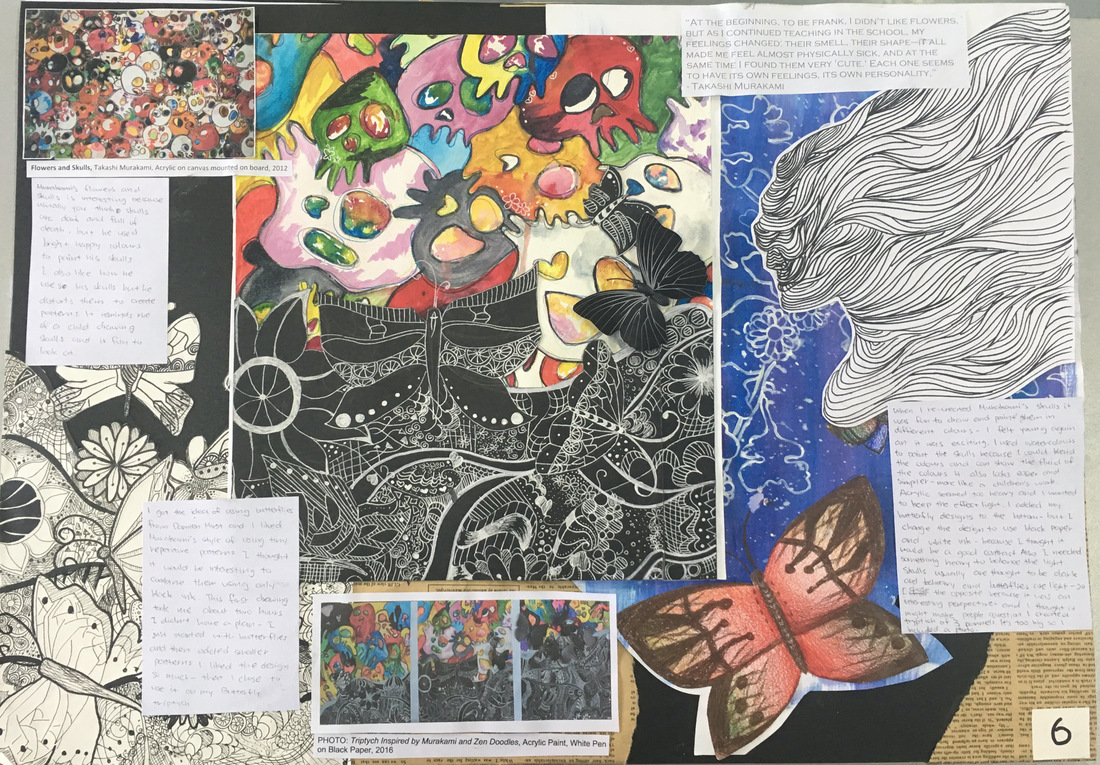
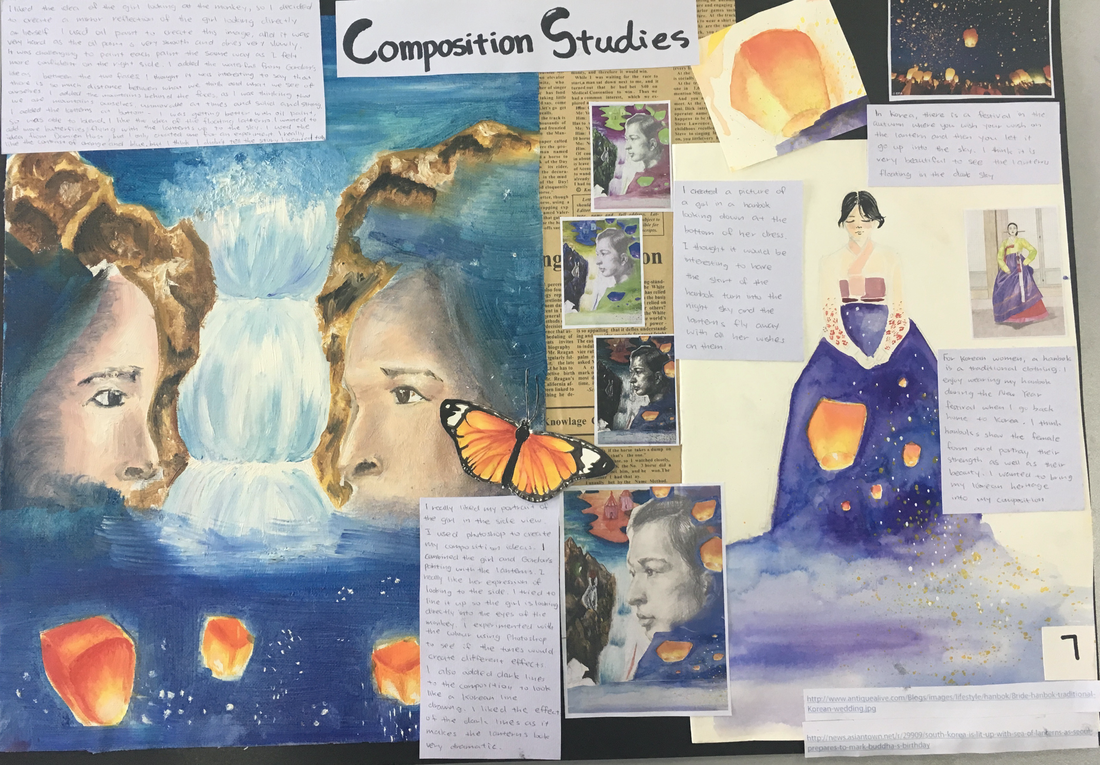
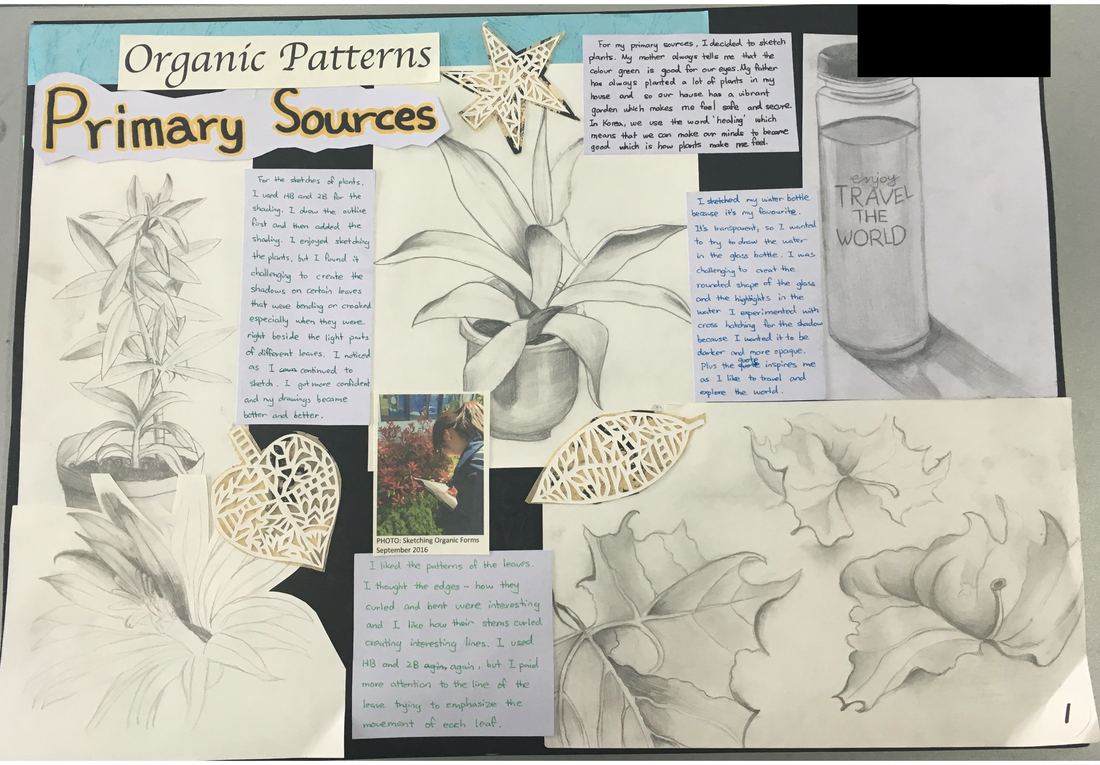
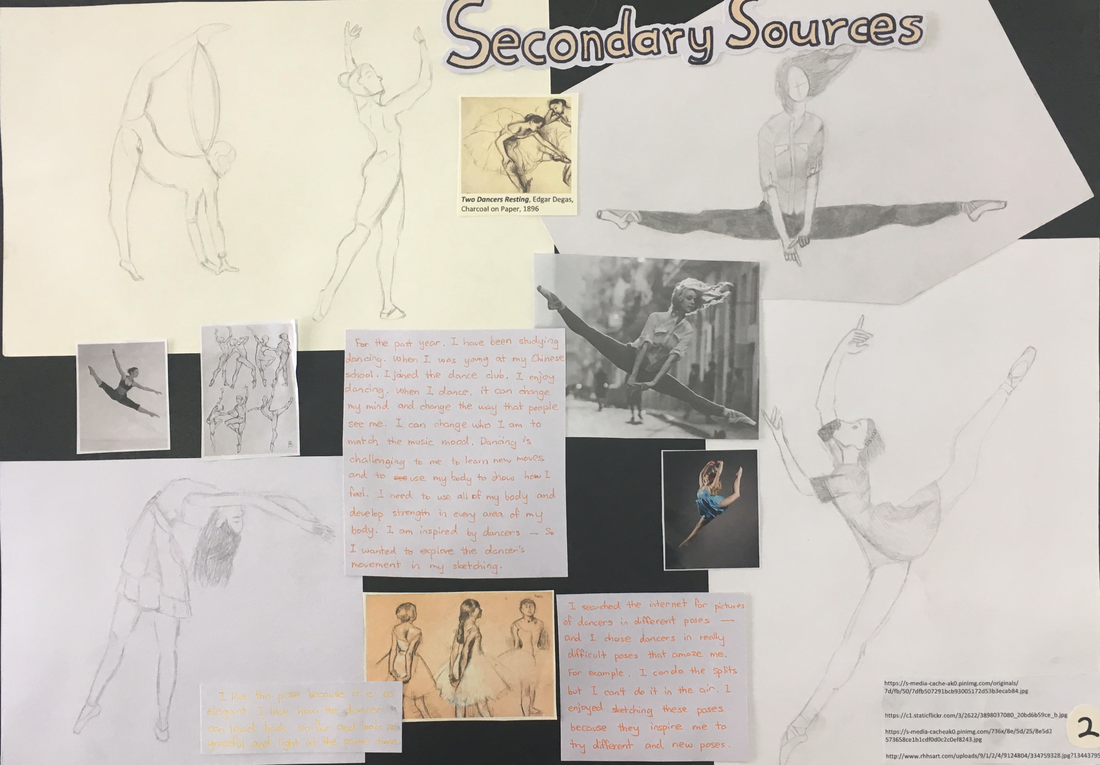
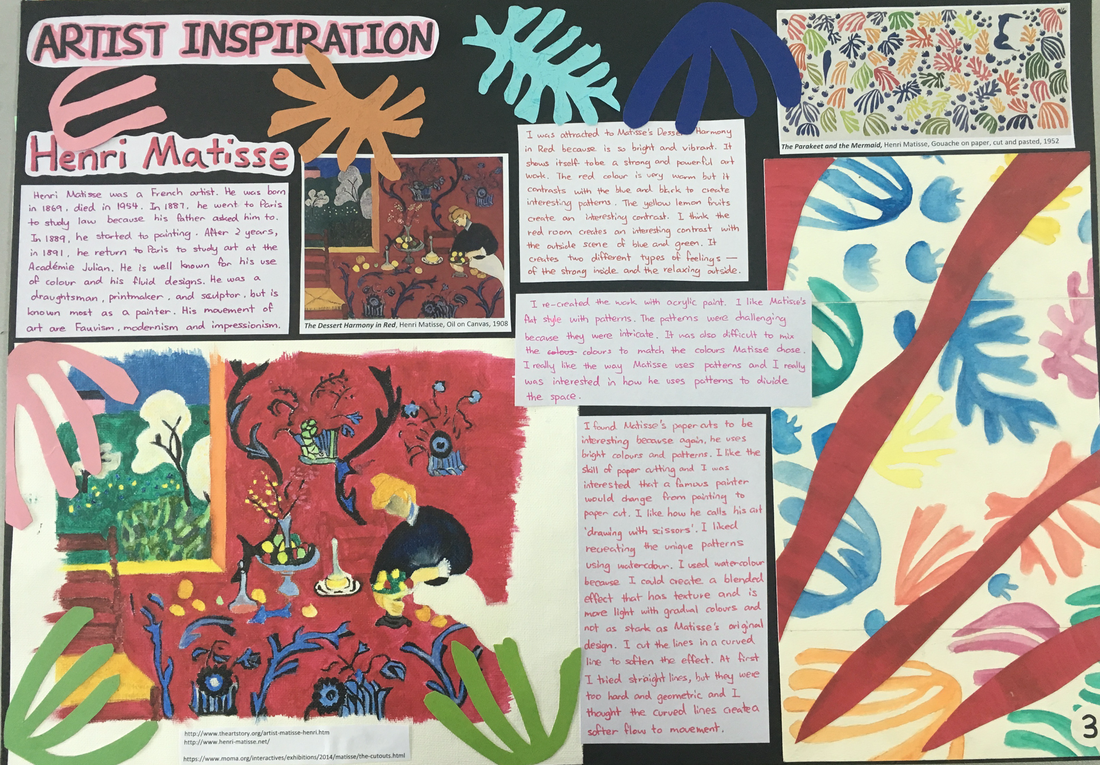
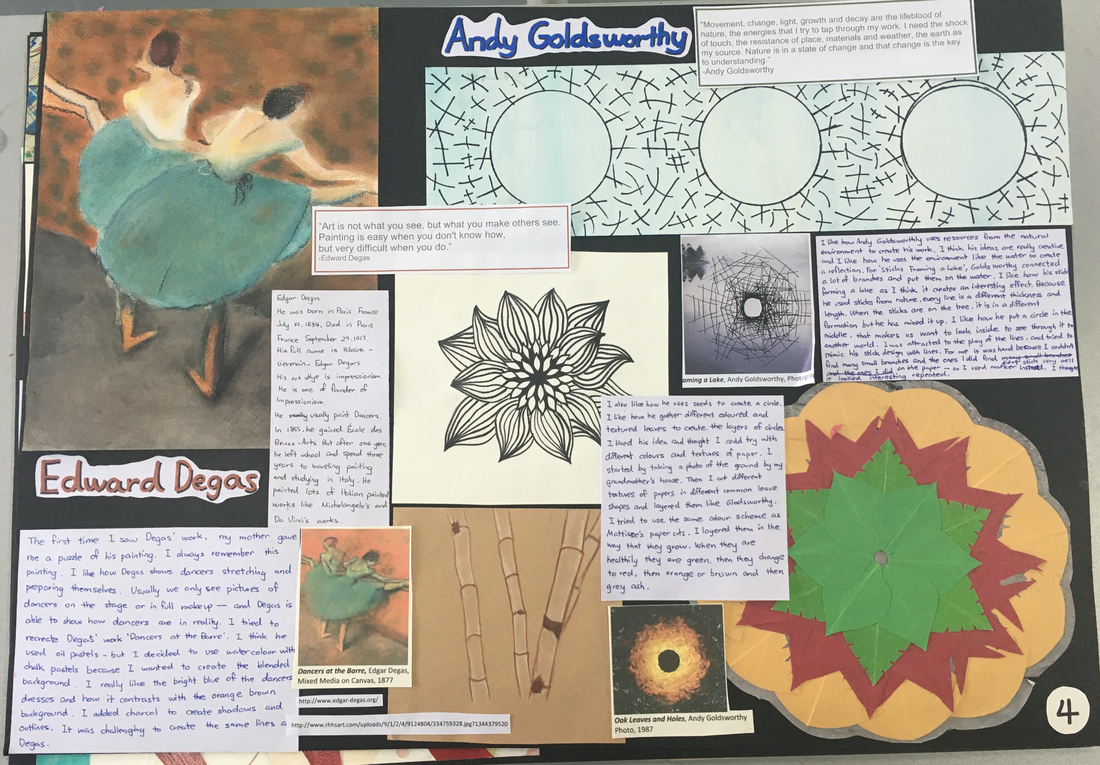
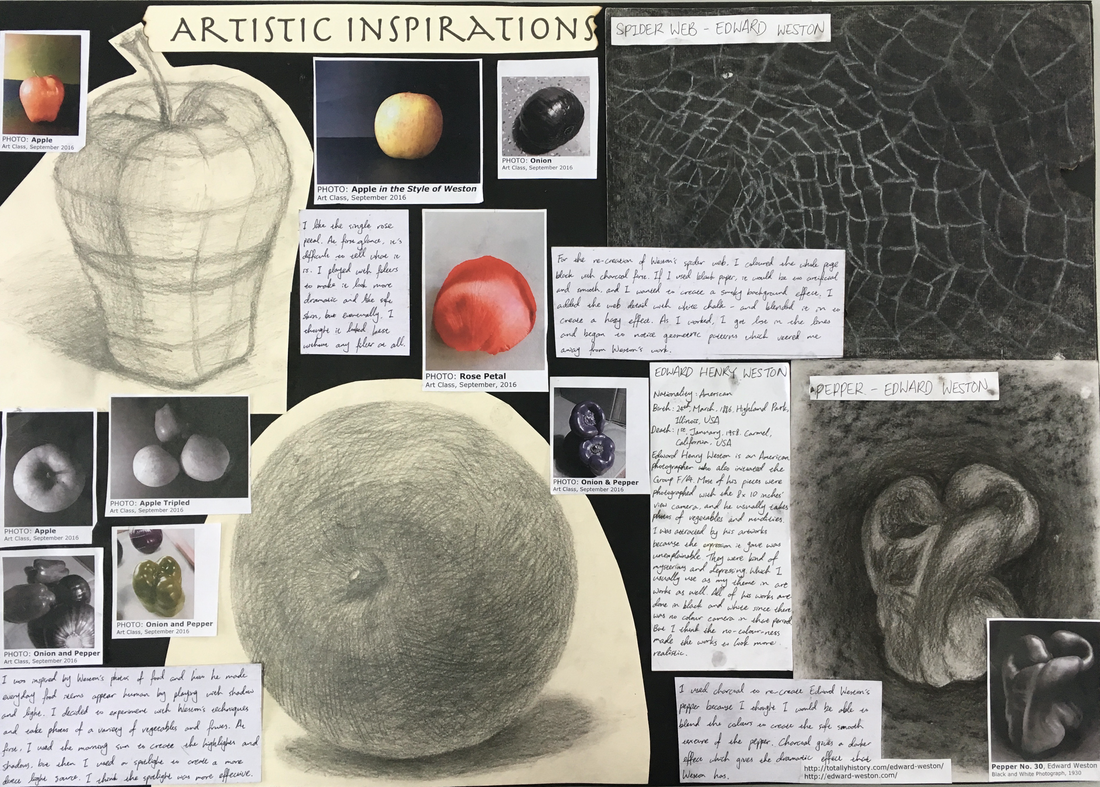
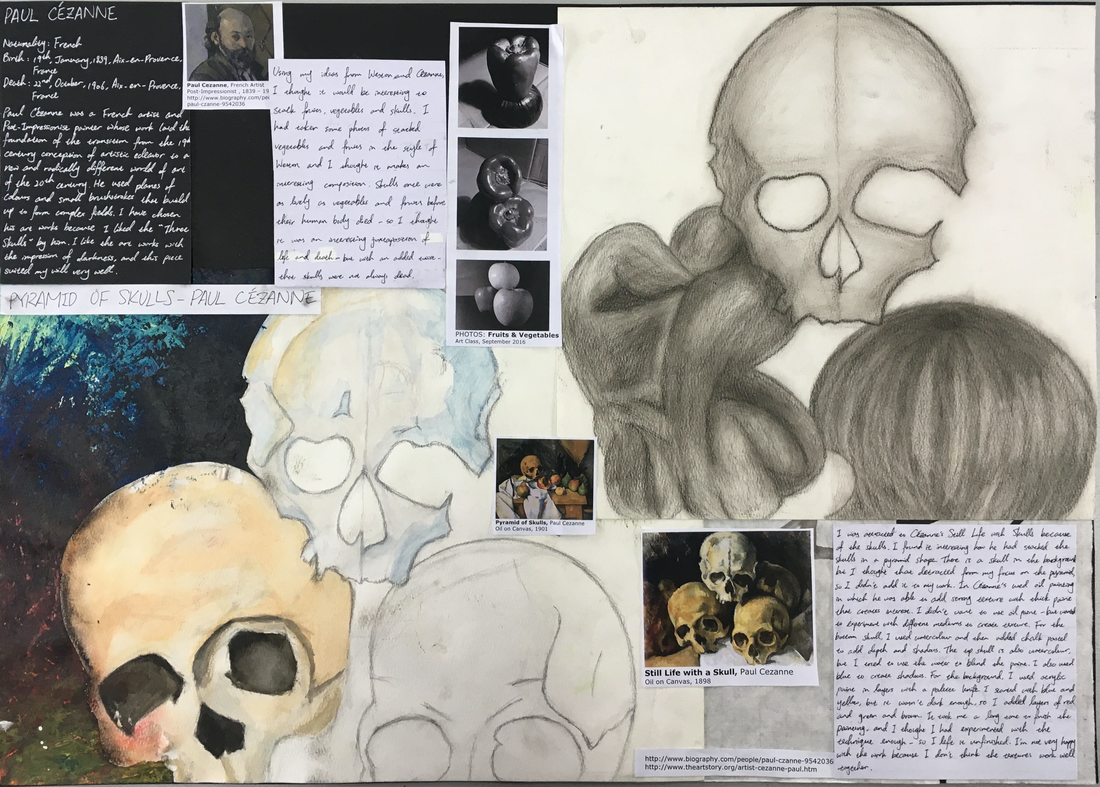
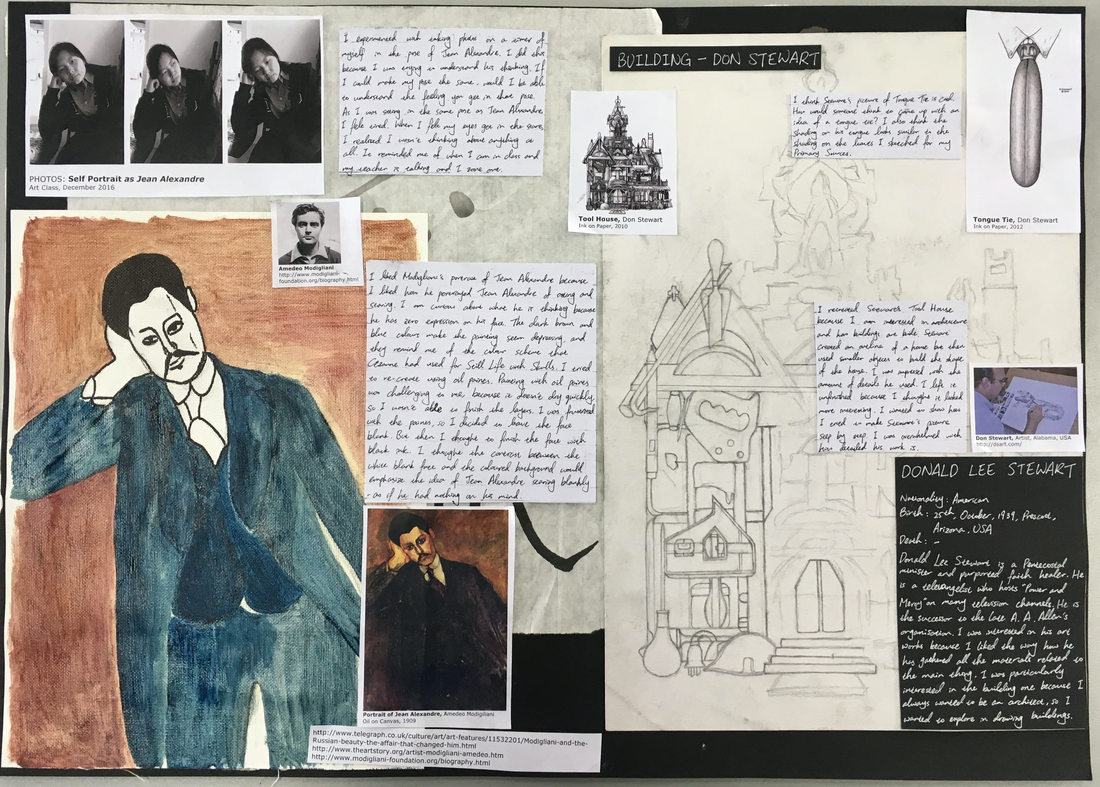
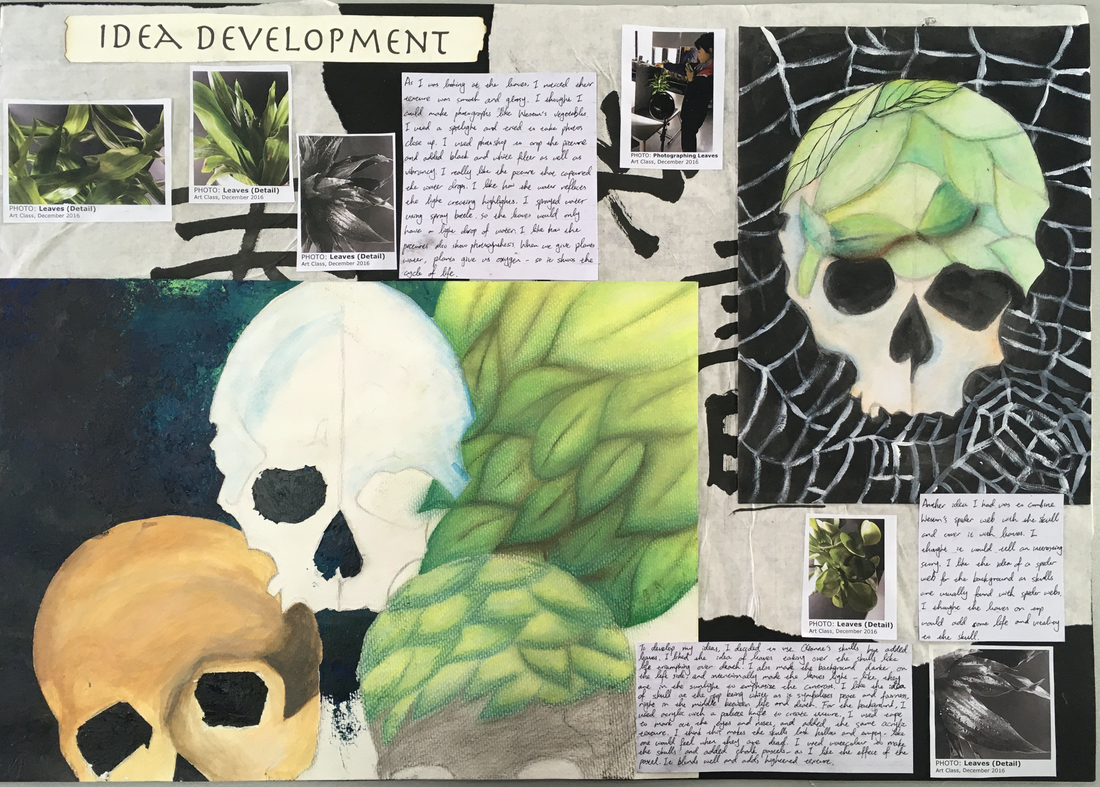
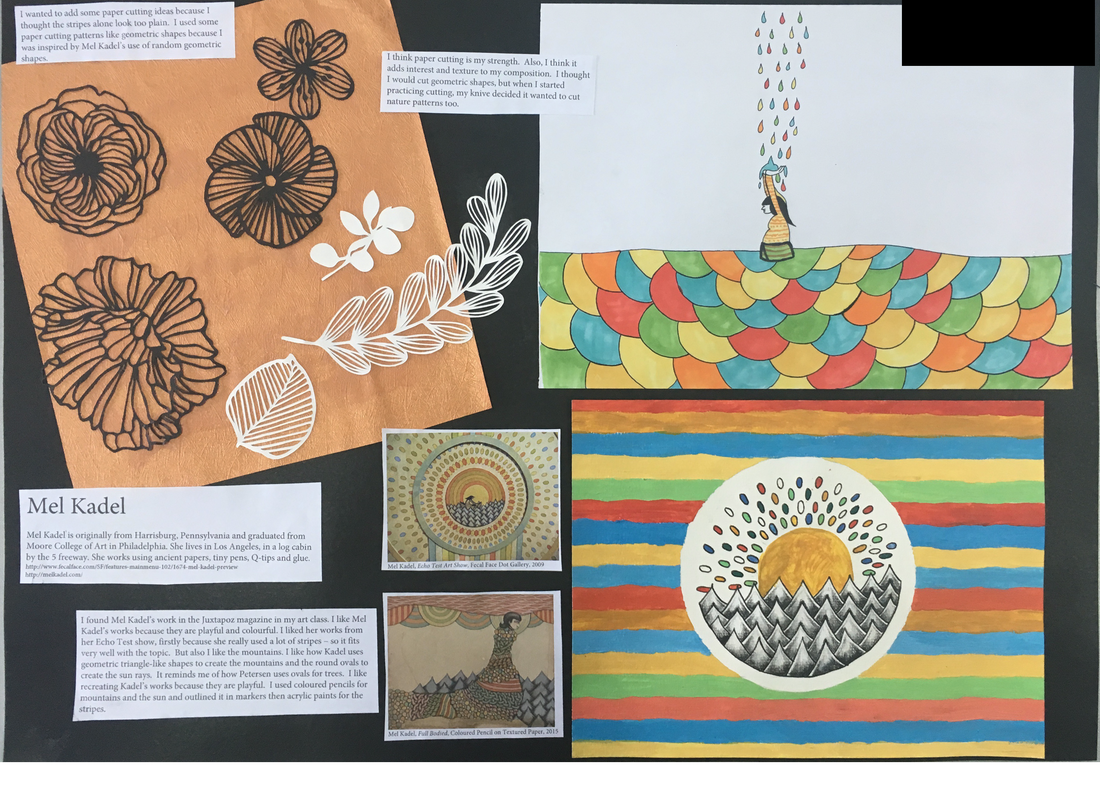
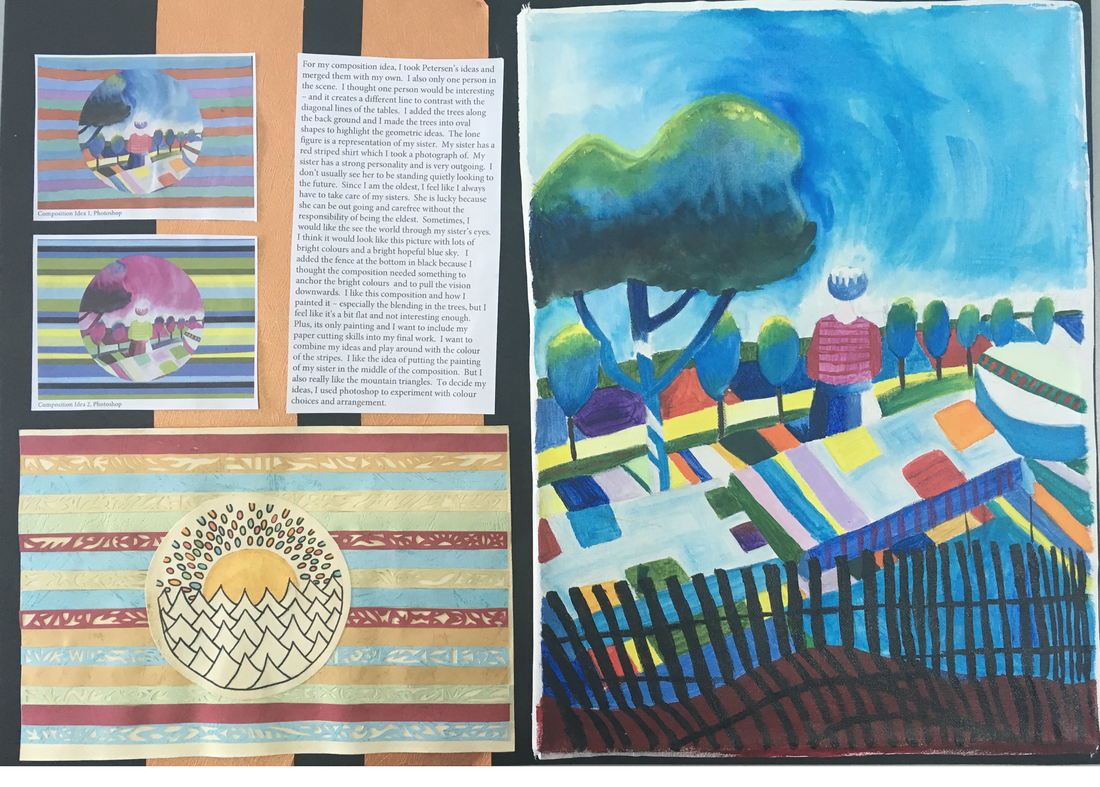
For Coursework, students are expected to submit 4 Preparation Boards and 1 Final Work. In order to maximize our submissions, we used both sides of our Preparation Boards. Students could choose their own topic and were expected to show the process of developing their idea and final composition. Topics for the exam component are released in January, giving the students less than 2 months to prepare (while also doing their coursework). Exam requires 2 Preparation Boards (to be done ahead of time) and 1 Final Work (completed during an 8 hour exam). At YCIS, we submitted work in drawing and painting. Students were 100% successful.
For Coursework, students are expected to submit 4 Preparation Boards and 1 Final Work. In order to maximize our submissions, we used both sides of our Preparation Boards. Students could choose their own topic and were expected to show the process of developing their idea and final composition. Topics for the exam component are released in January, giving the students less than 2 months to prepare (while also doing their coursework). Exam requires 2 Preparation Boards (to be done ahead of time) and 1 Final Work (completed during an 8 hour exam). At YCIS, we submitted work in drawing and painting. Students were 100% successful.
SELECTED IGCSE Coursework SUBMISSIONS:
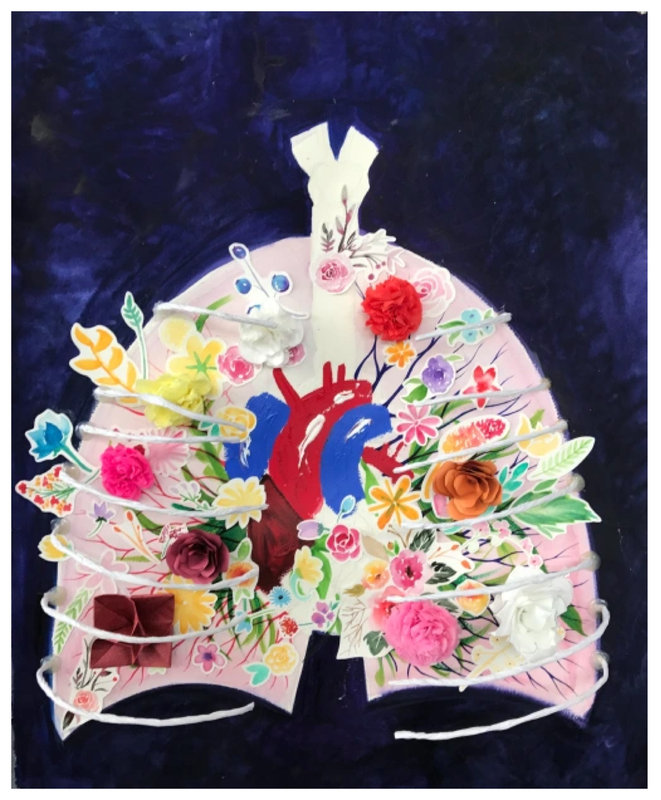
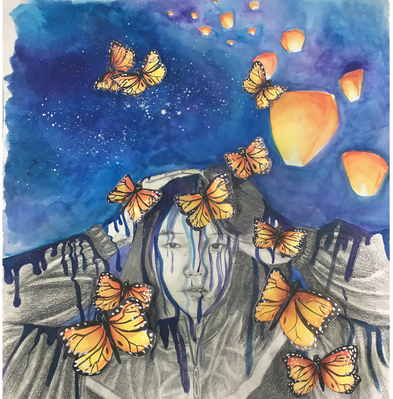
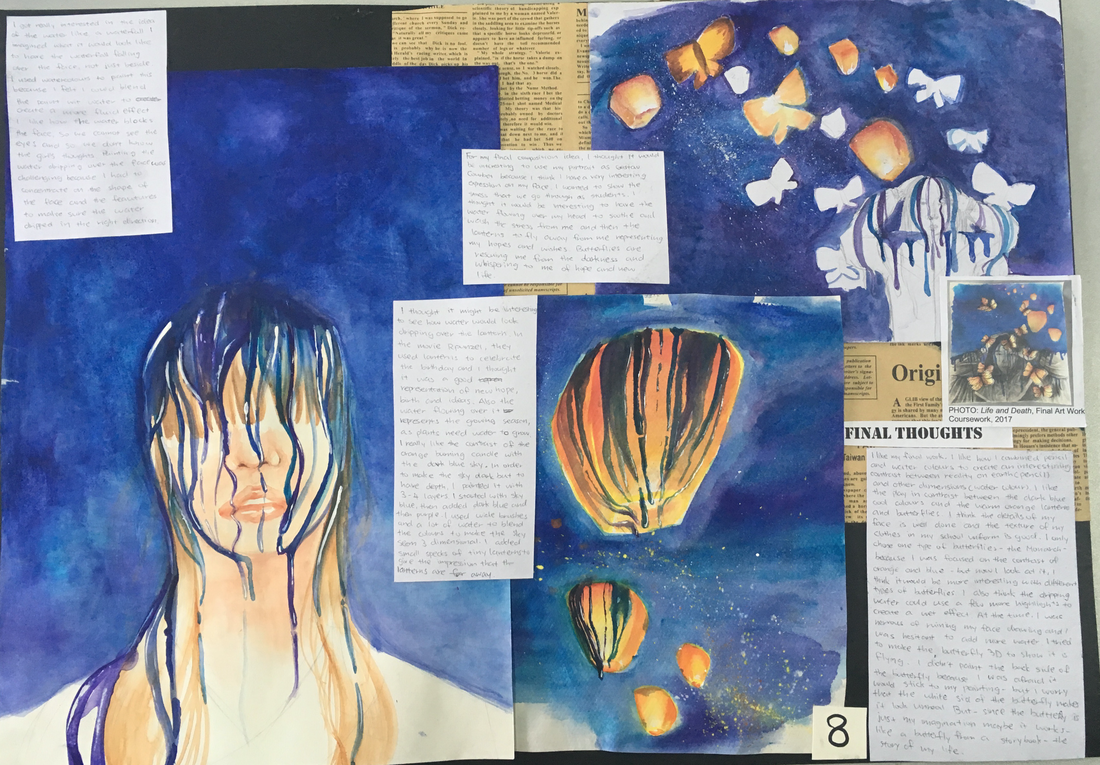
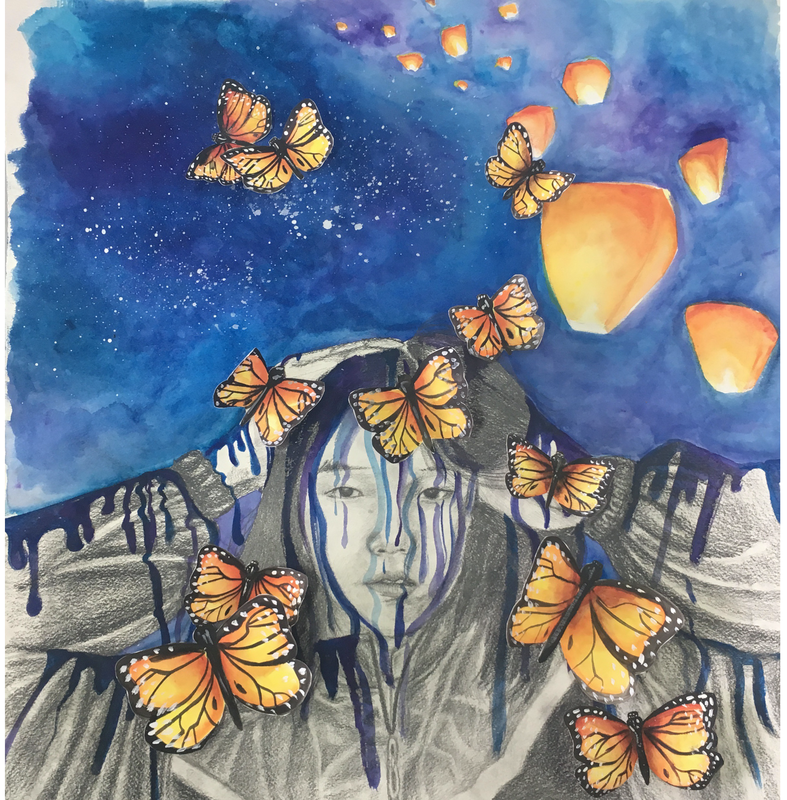
LIFE AND DEATH, FINAL WORK: PENCIL AND WATERCOLOR
|
|
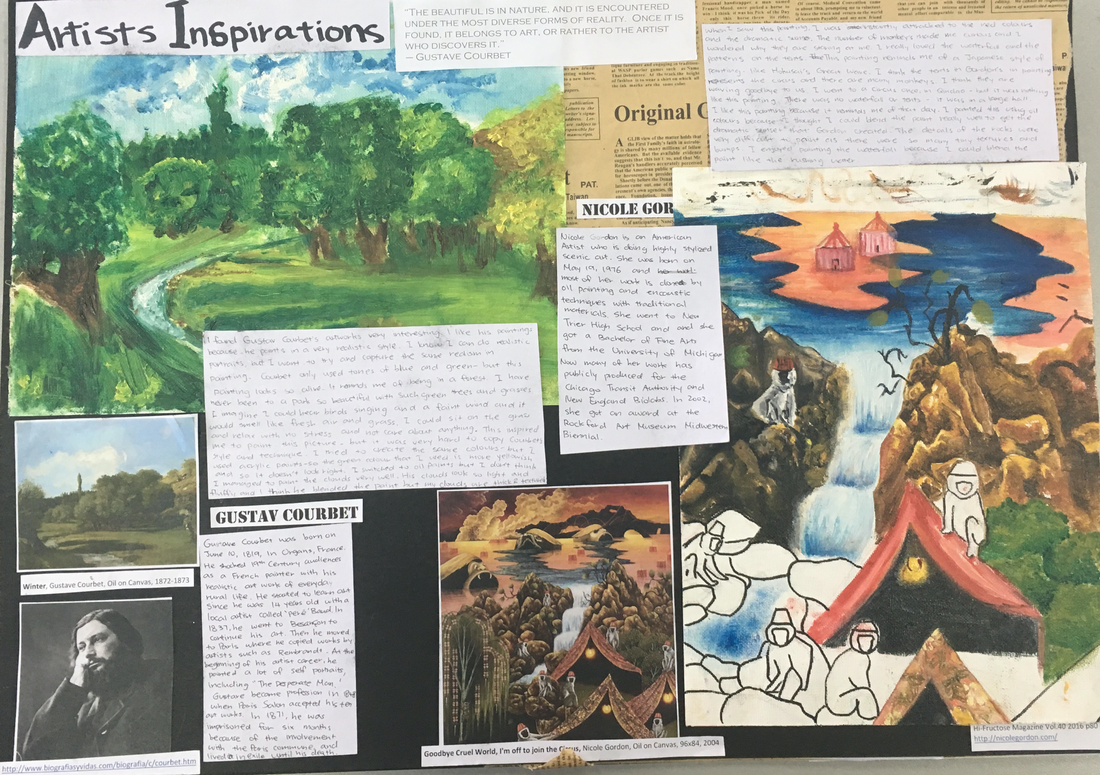
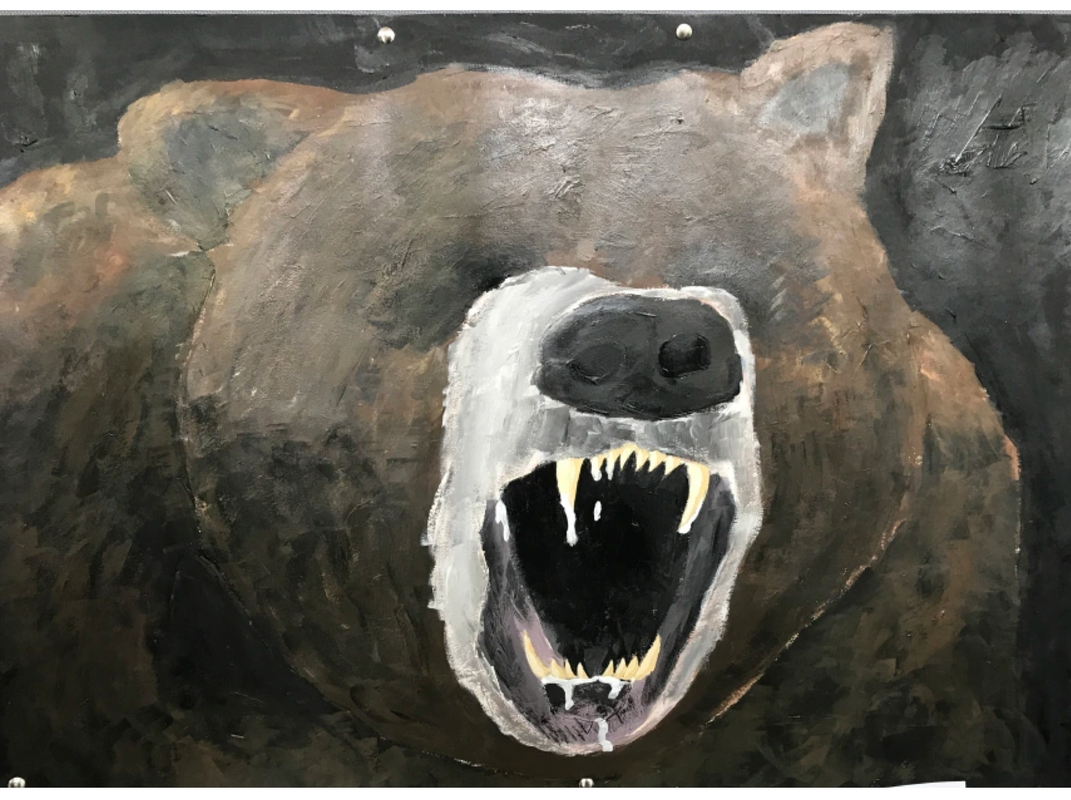
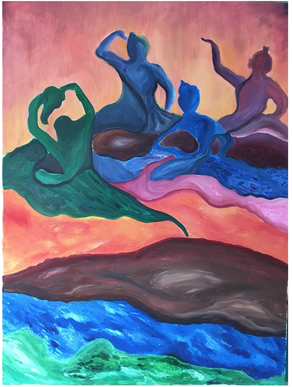
NATURAL FORMS, Final Work: Oil Paint
|
|
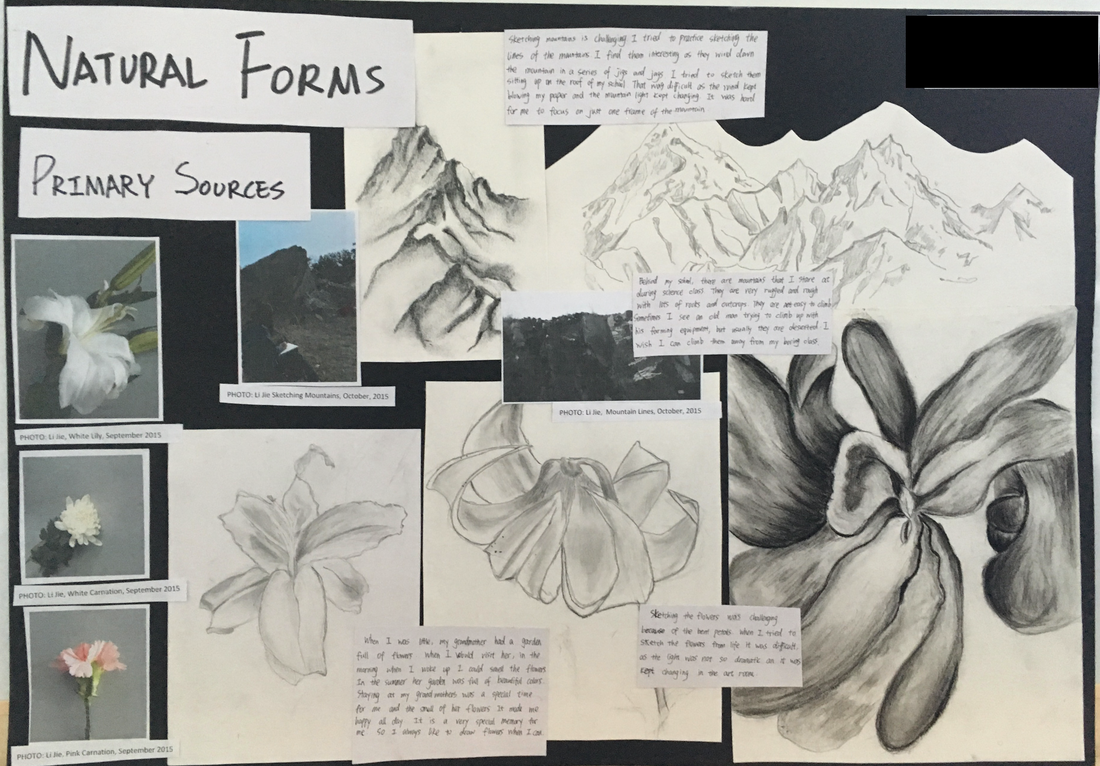
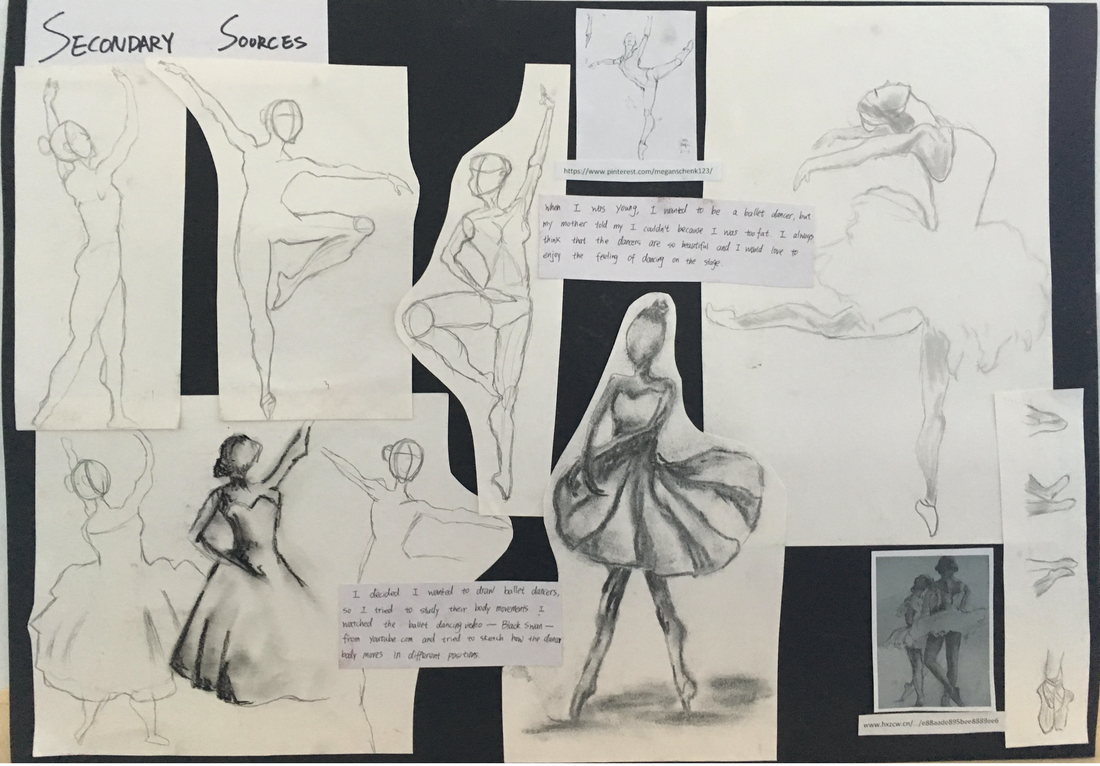
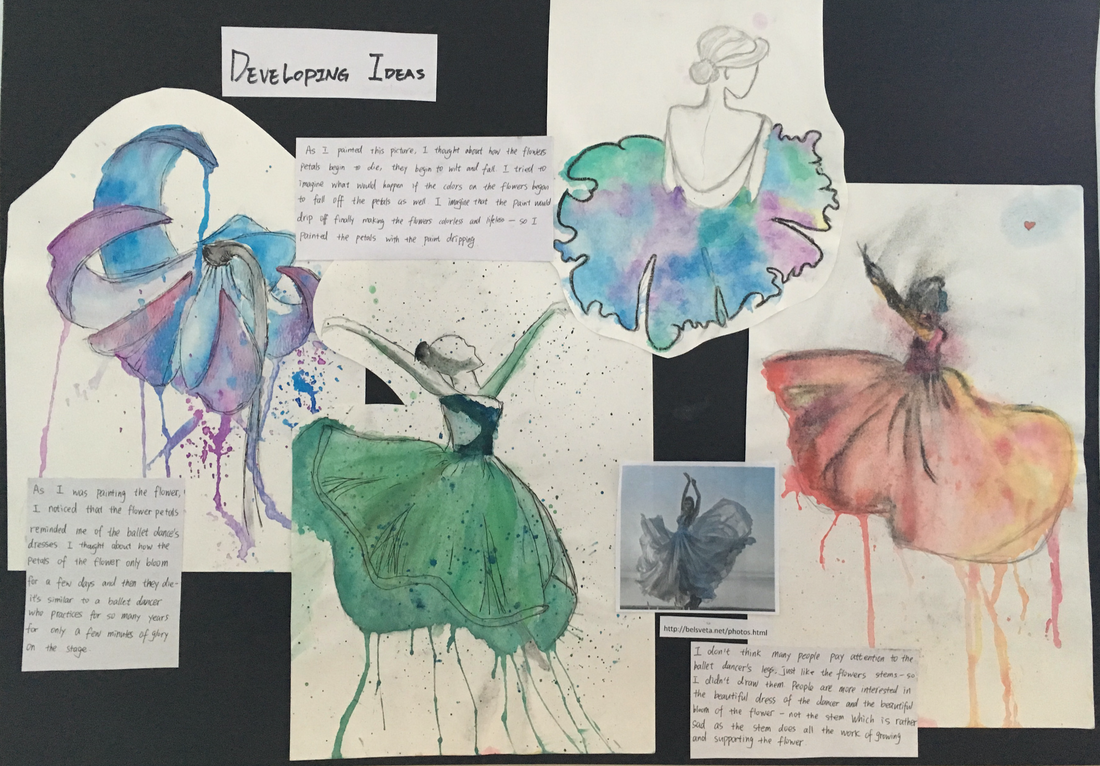
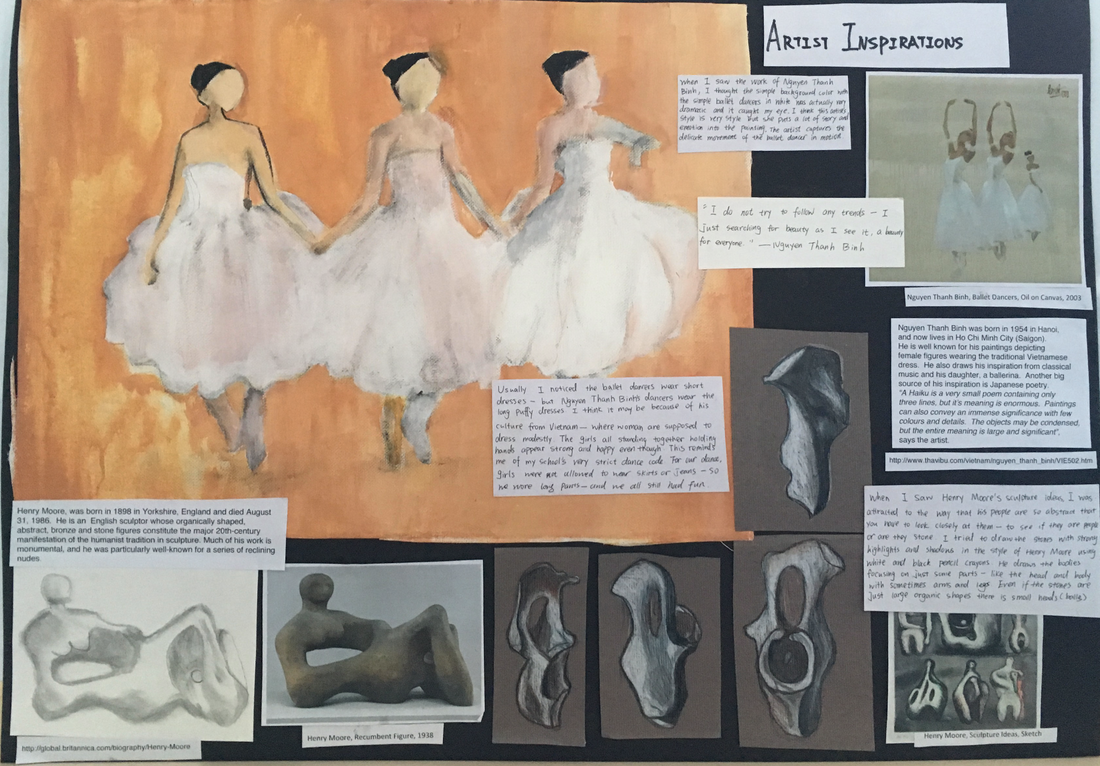
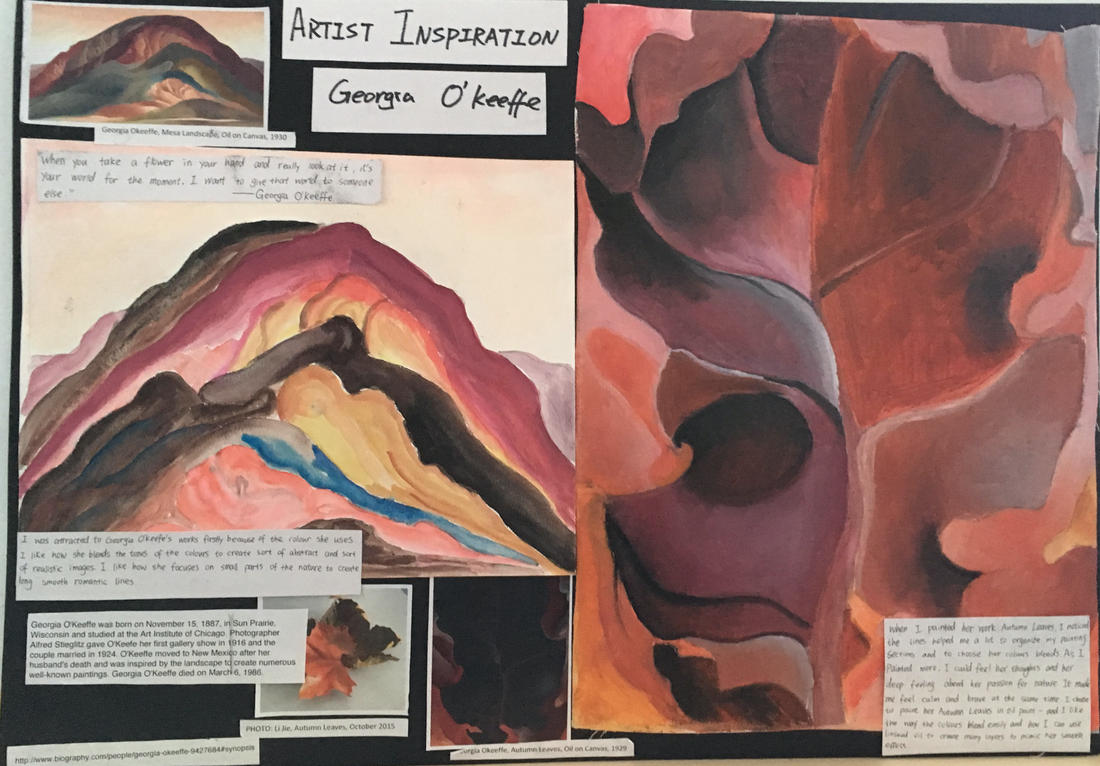
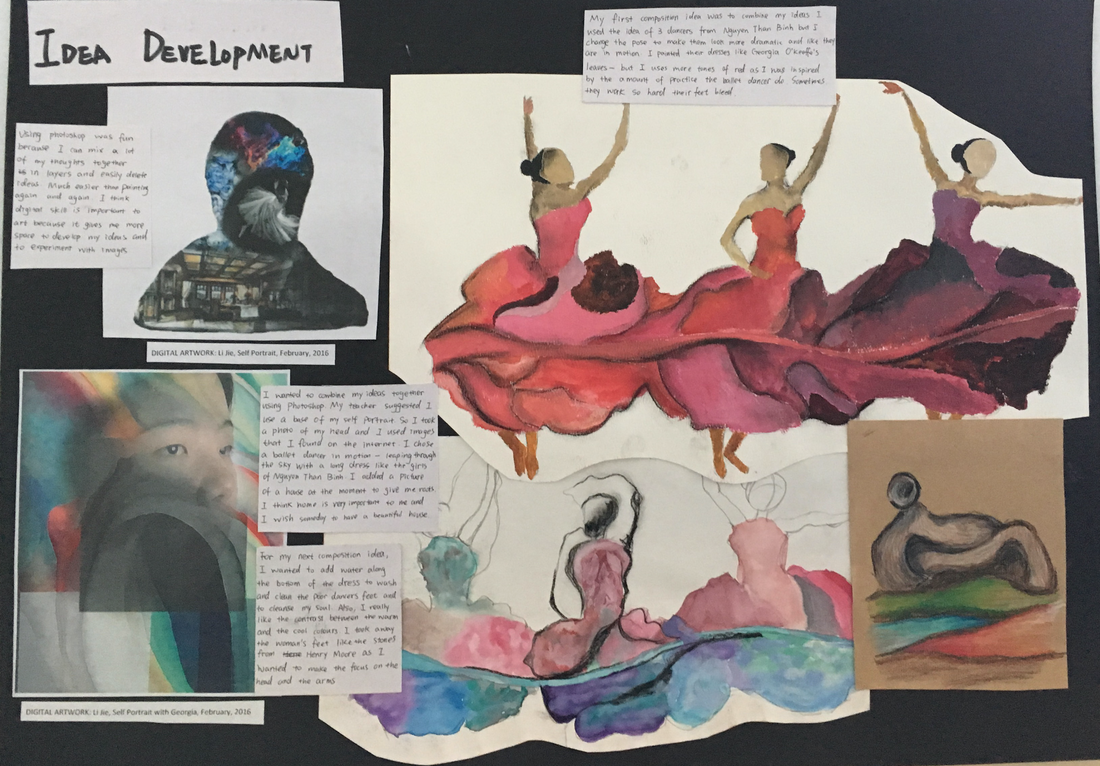
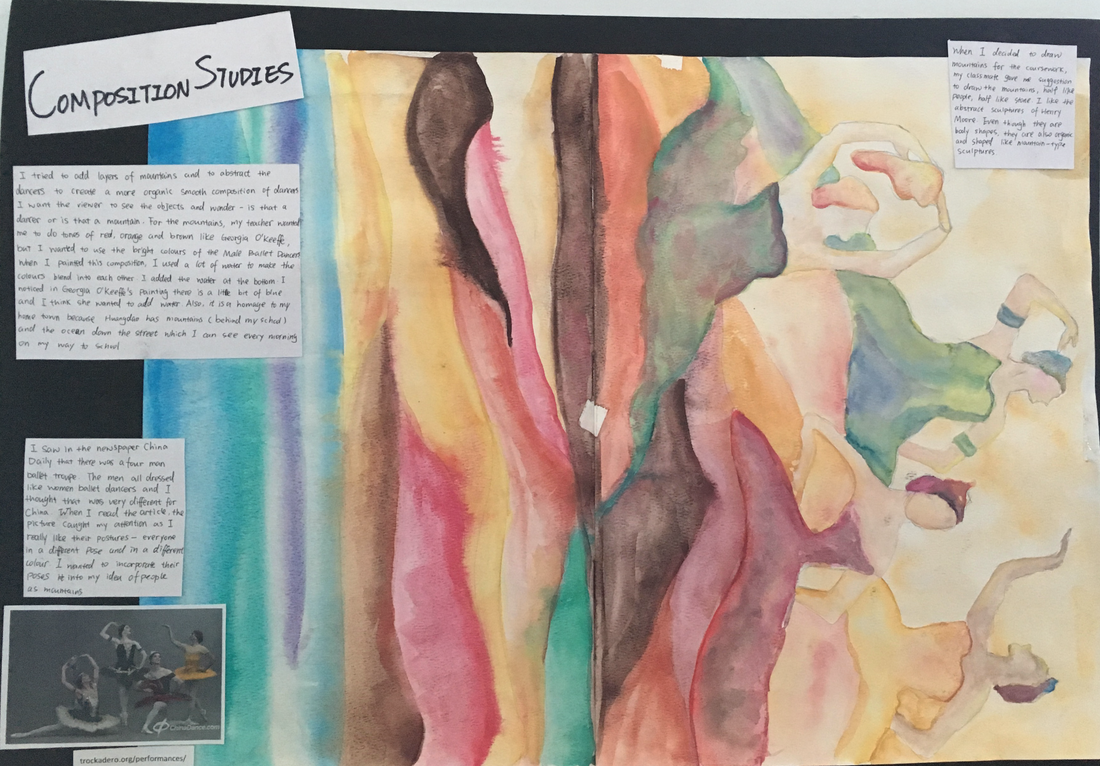
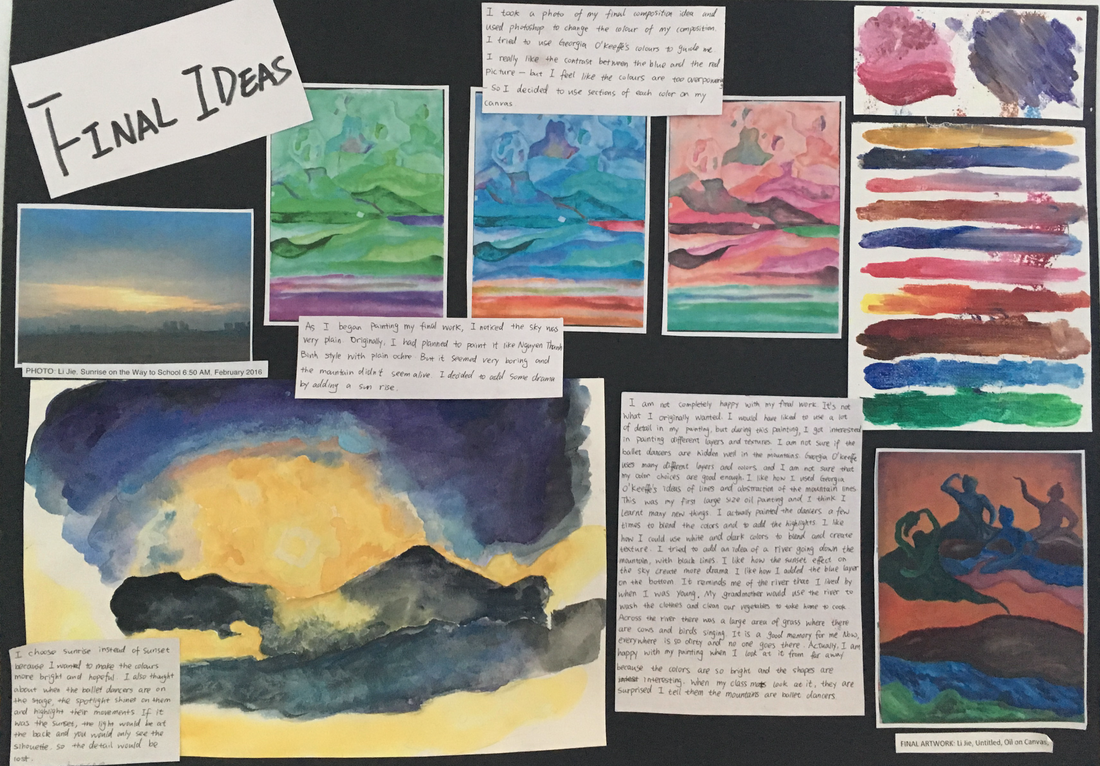
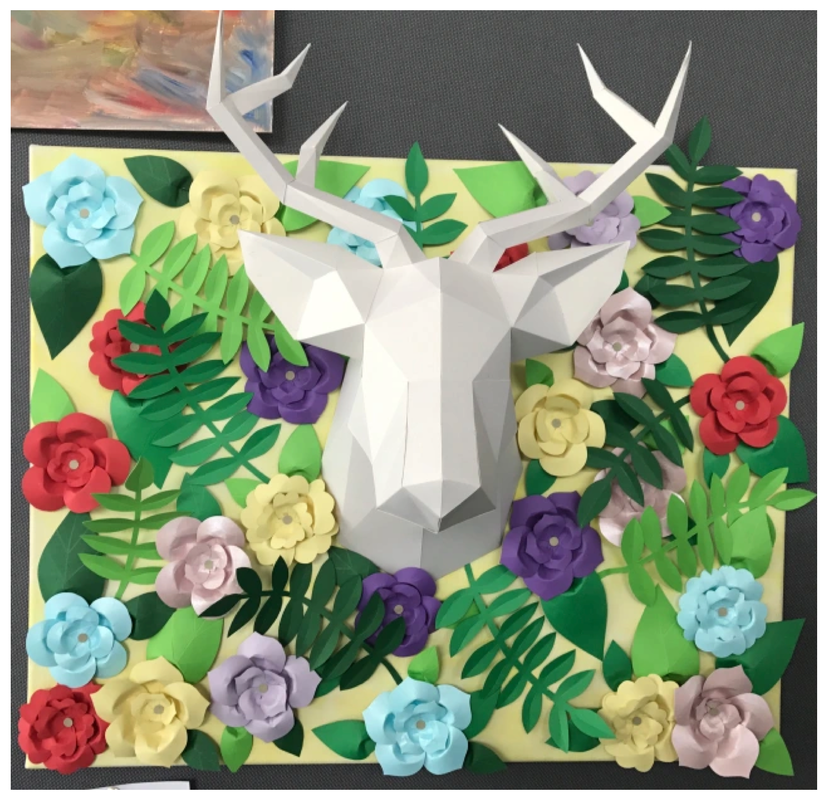
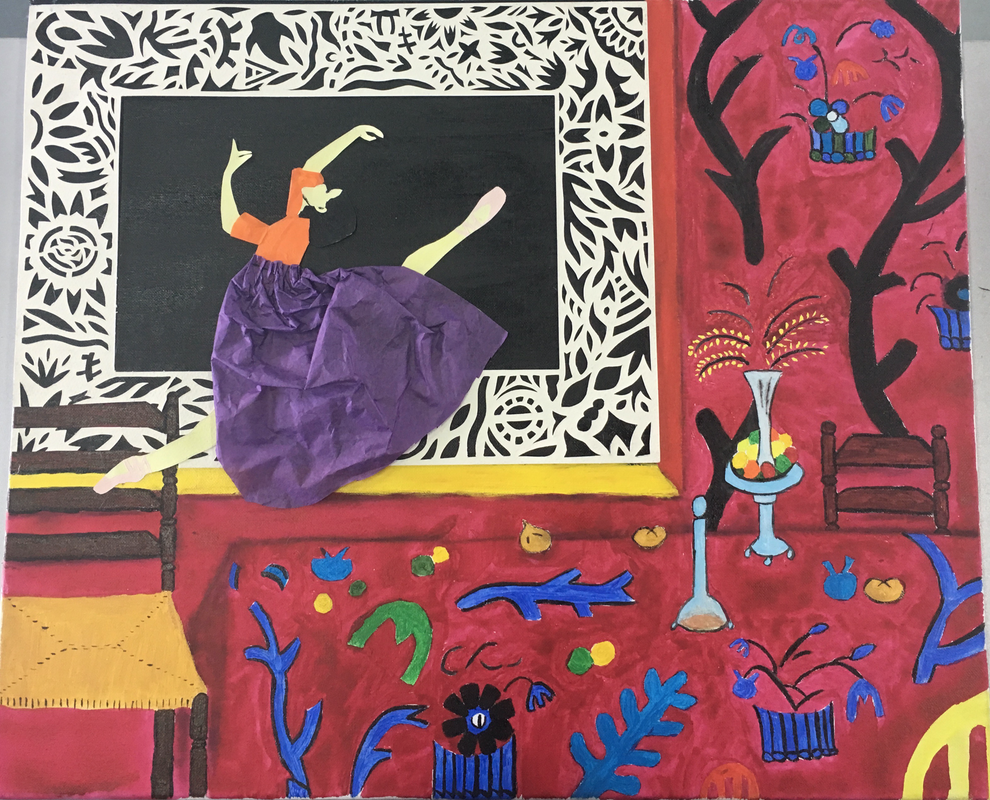
Coursework Submission: ORGANIC PATTERNS, Final Work: Mixed Media:Acrylic Paint, Paper Cut, Craft
|
|
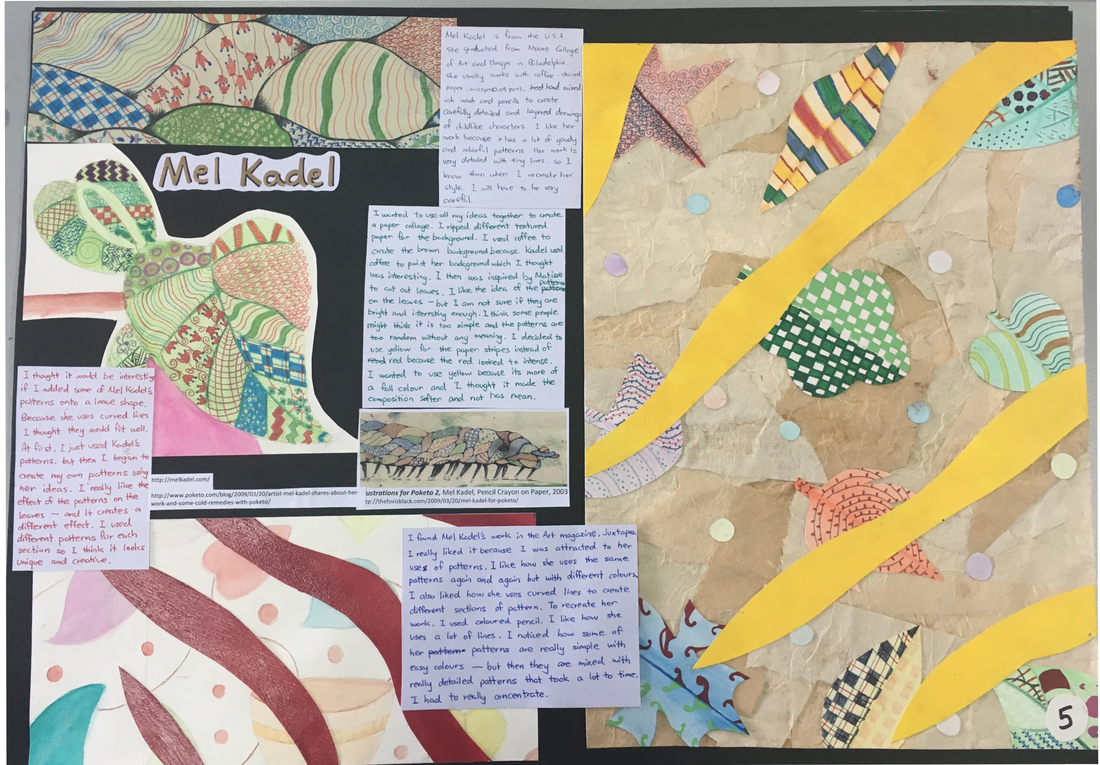
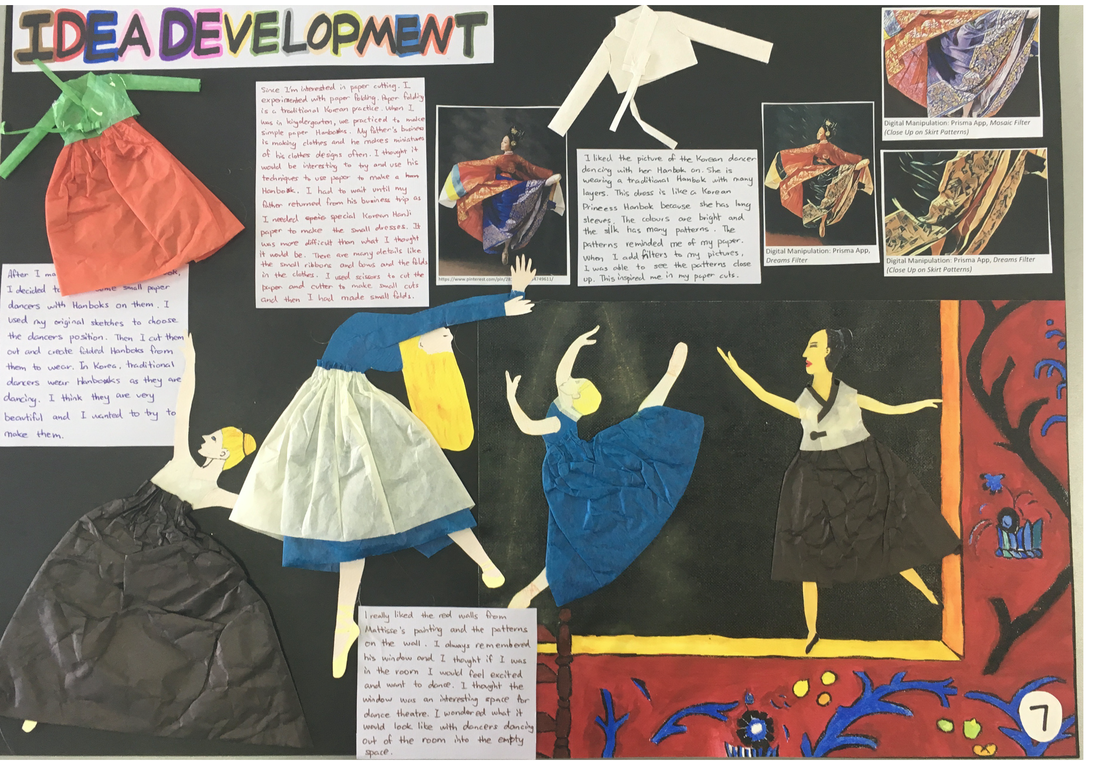
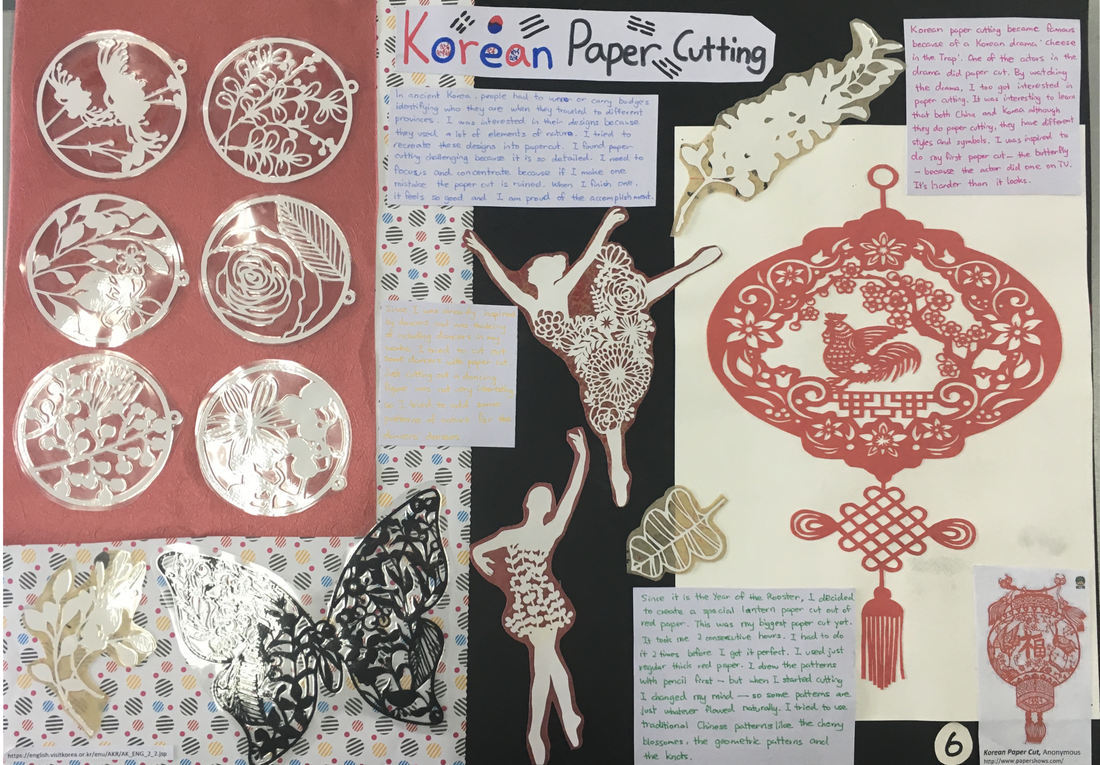
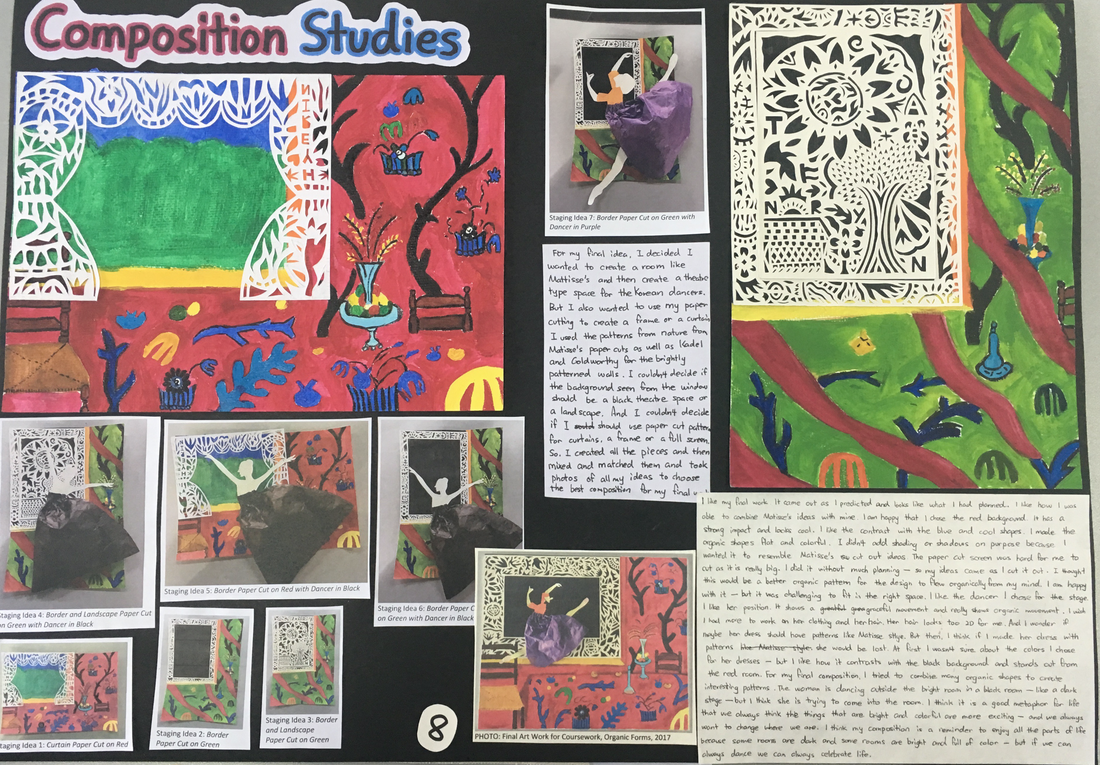
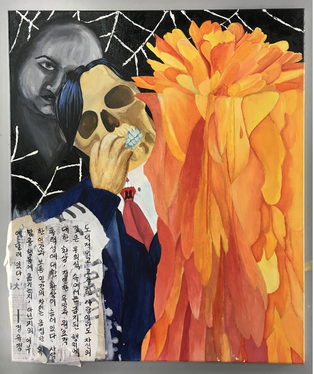
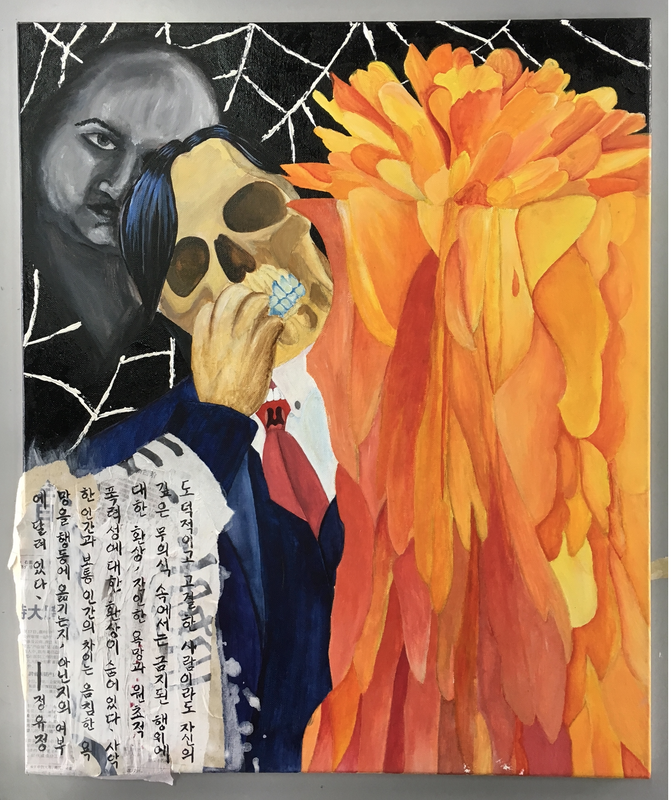
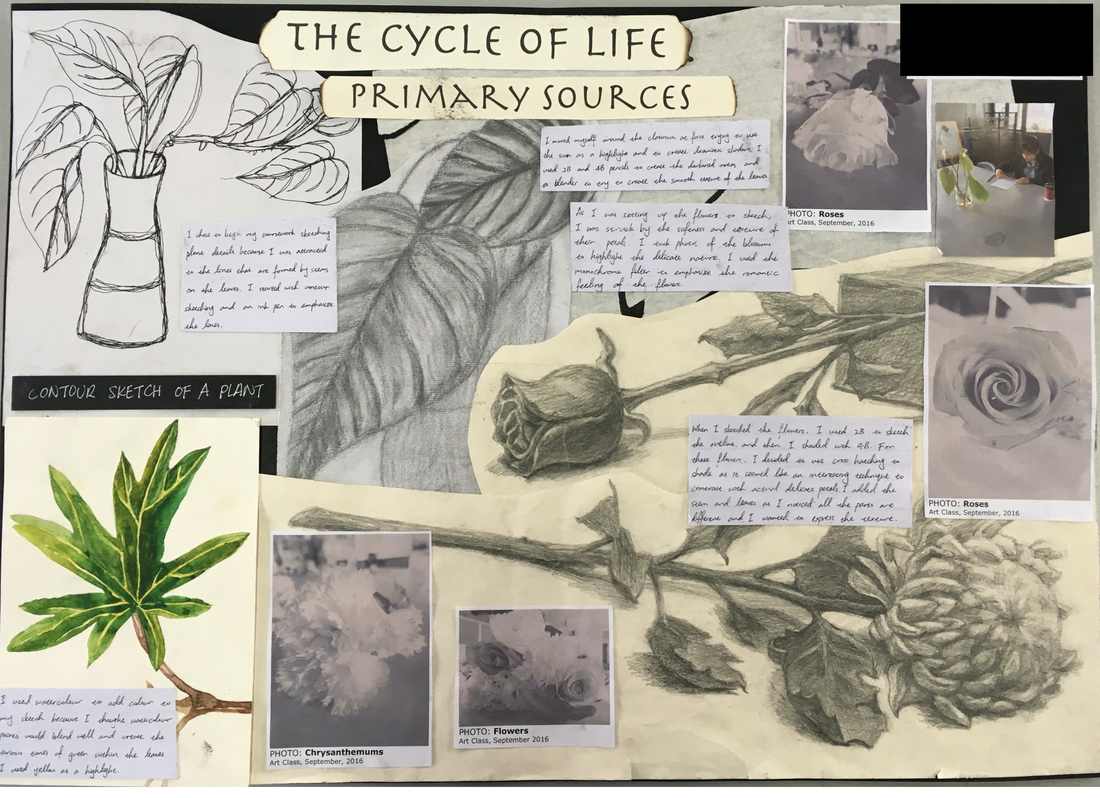
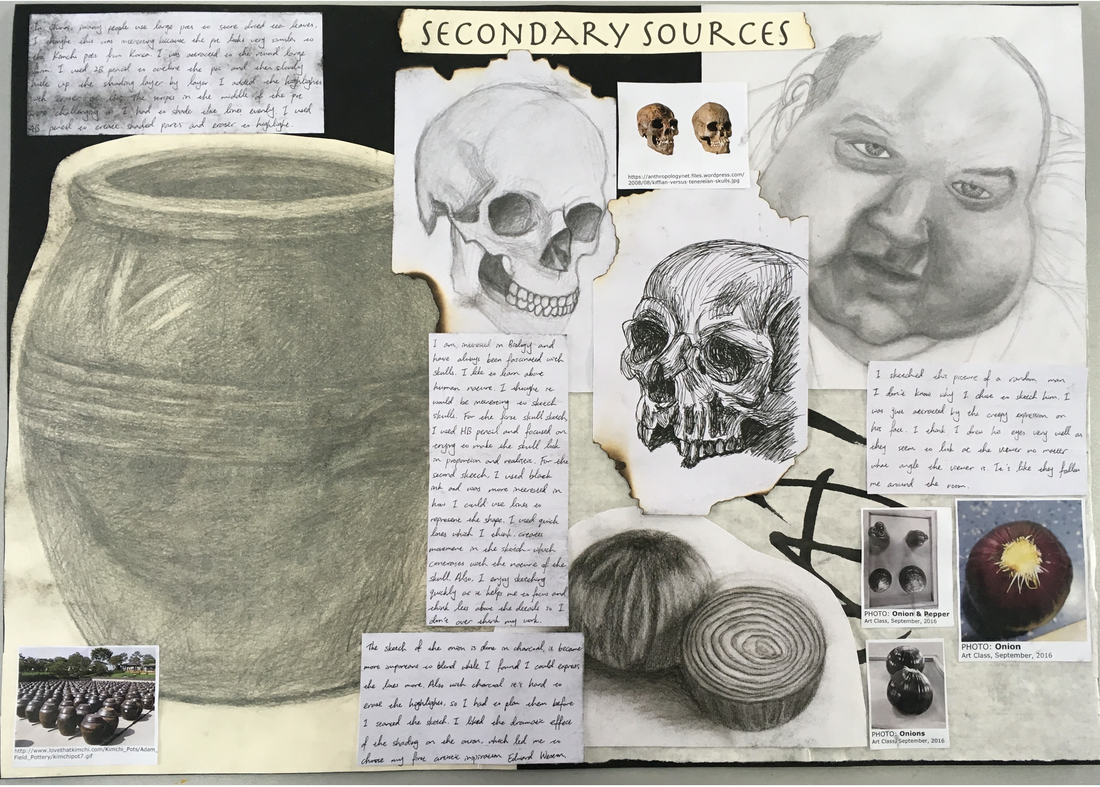
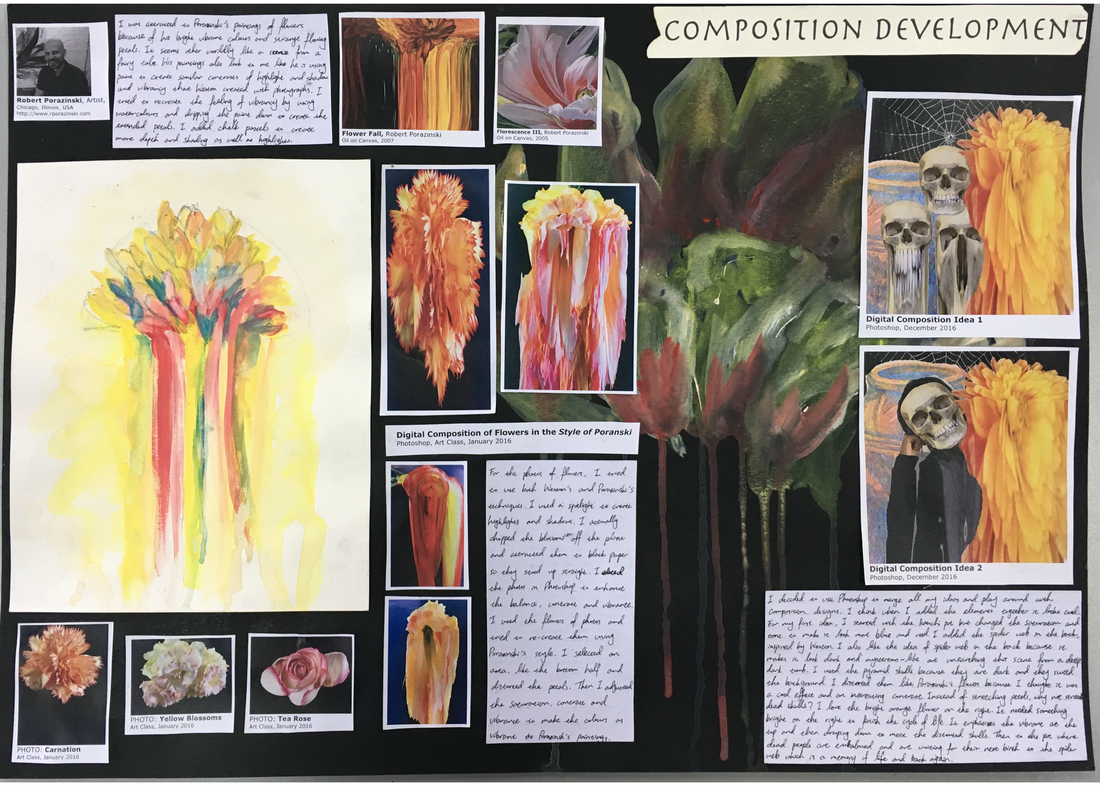
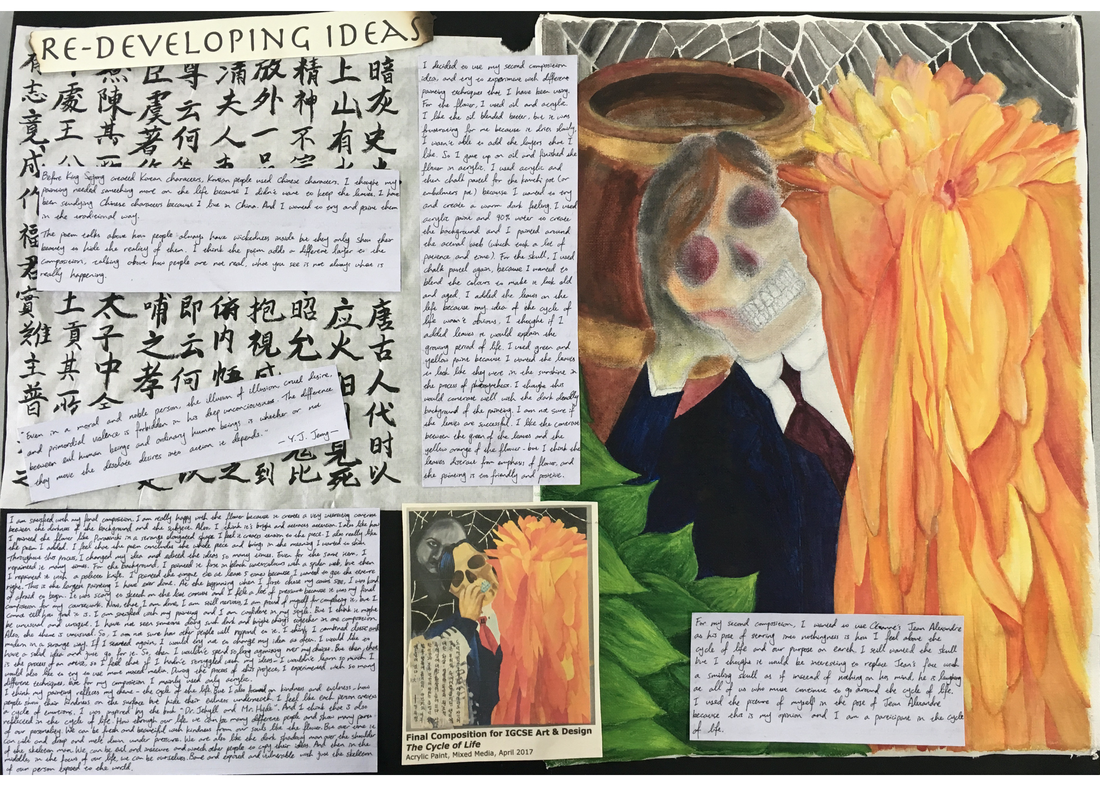
Coursework Submission: THE CYCLE OF LIFE, Final Work: Oil Paint
|
|
SELECTED HS IGCSE EXAM SUBMISSIONS:
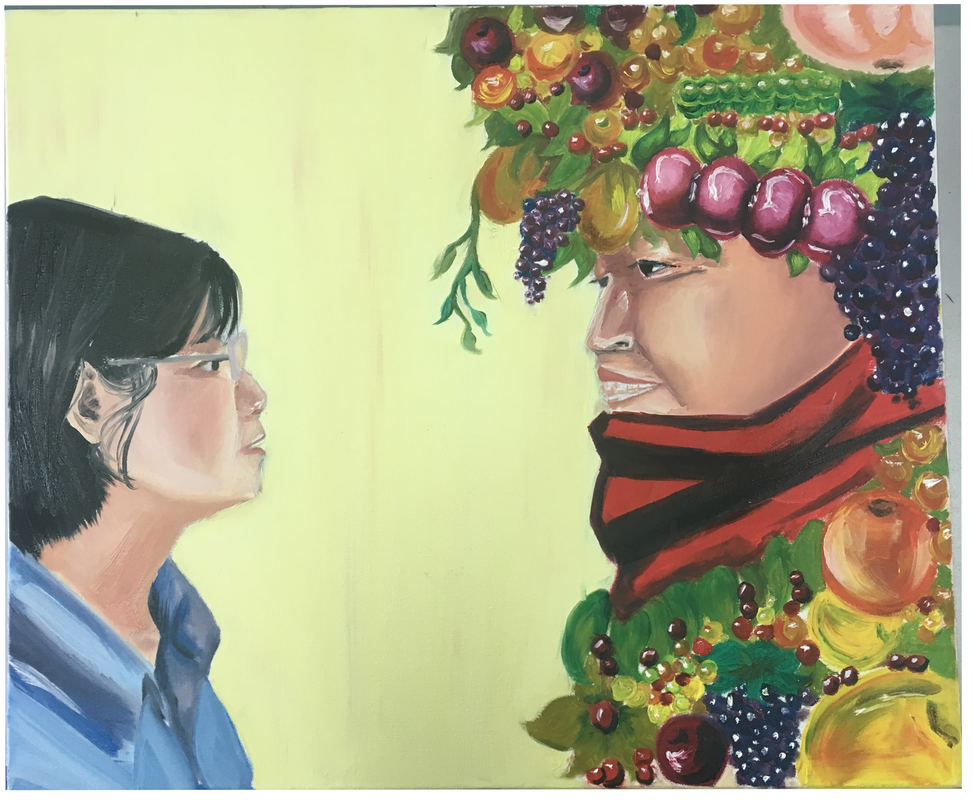
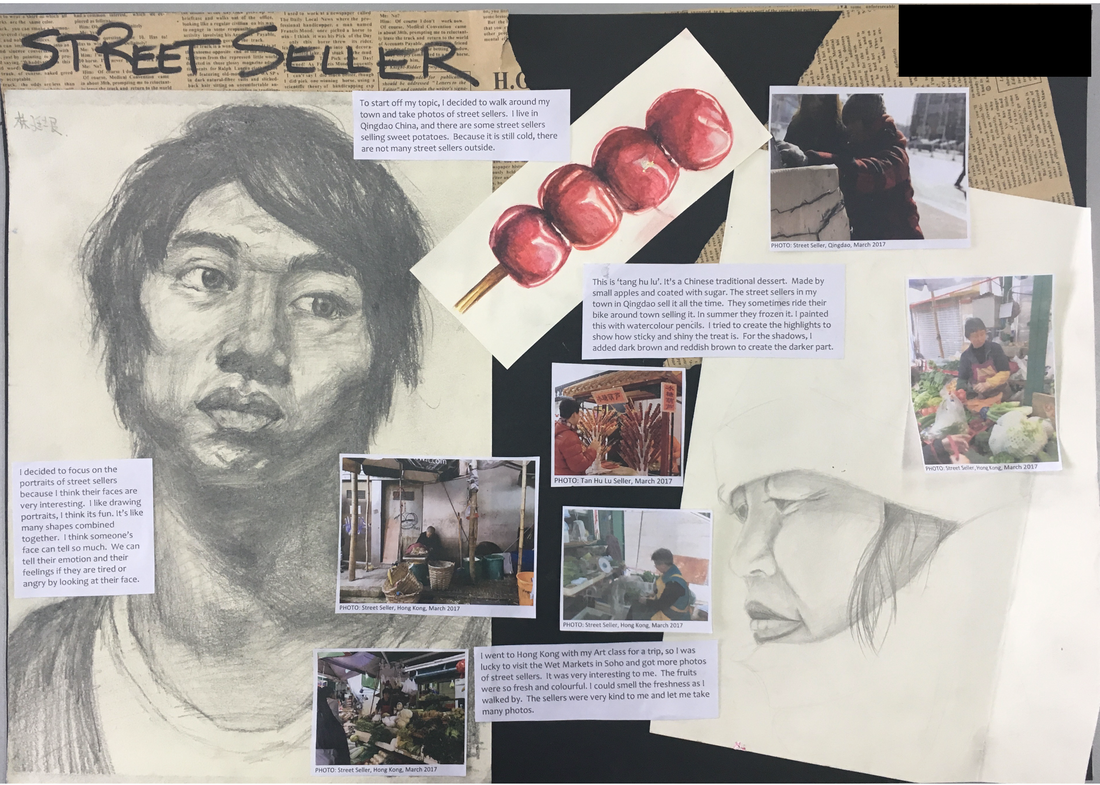
Exam Submission: STREET SELLER, Final Work: Oil Paint
|
|
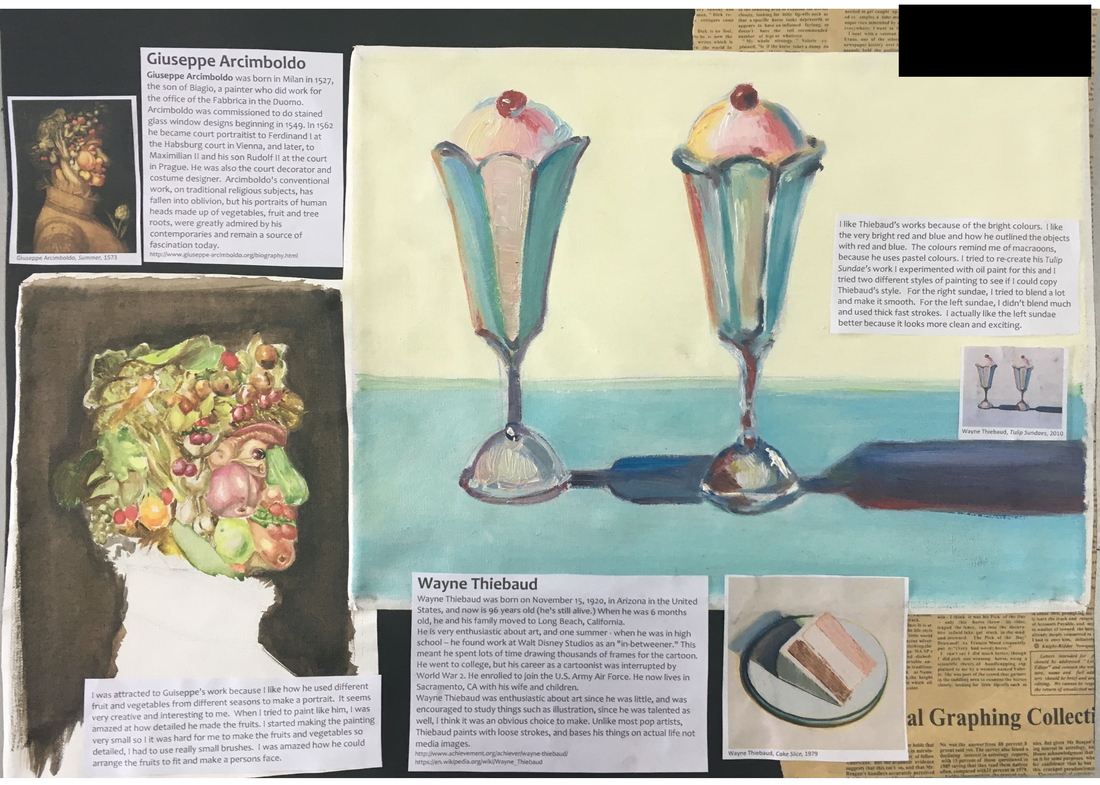
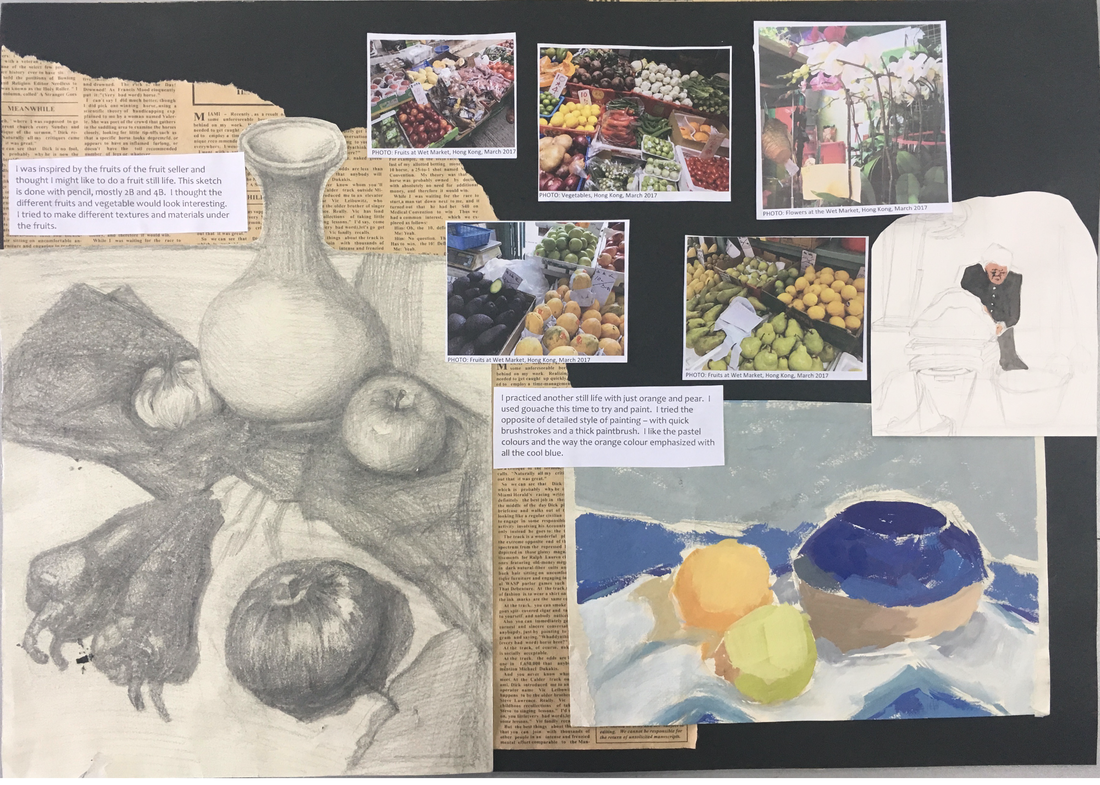
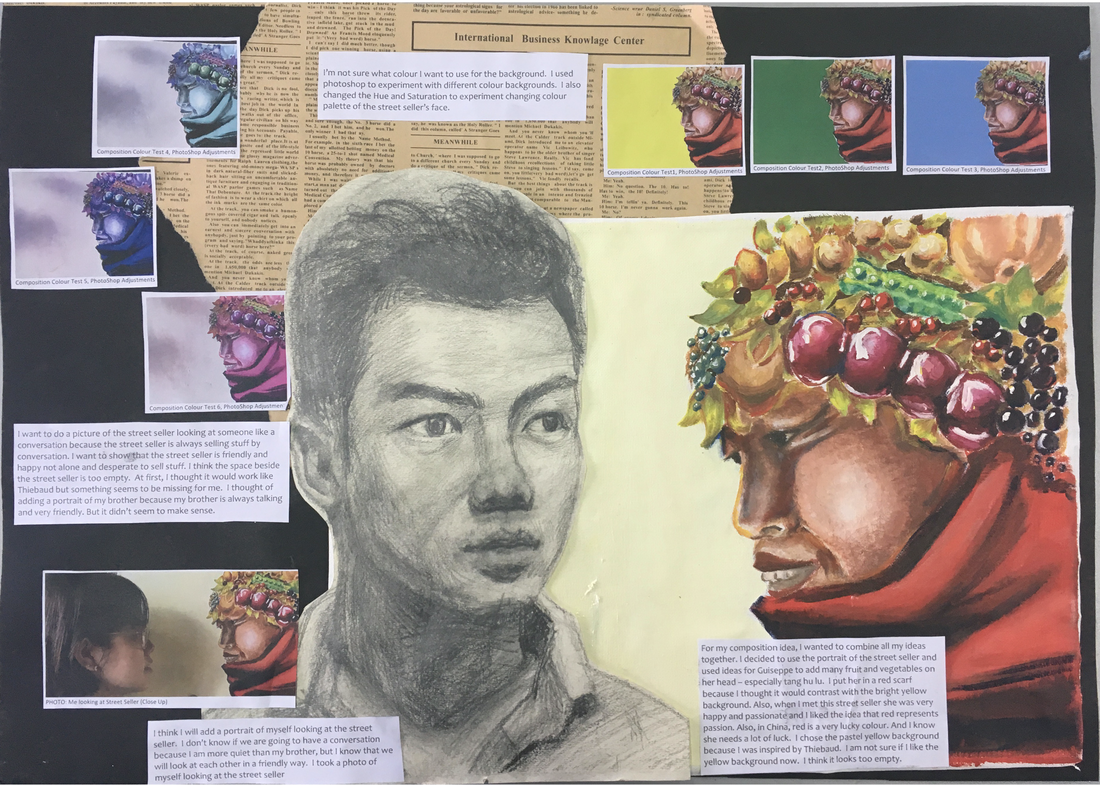
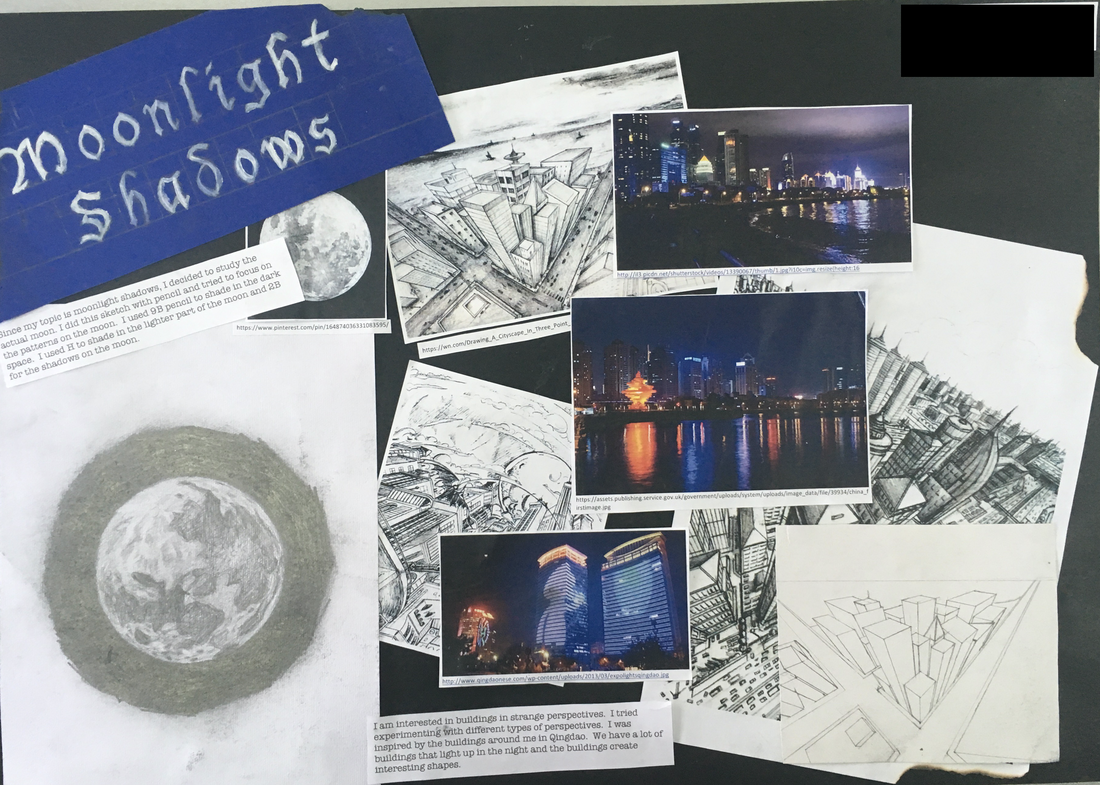
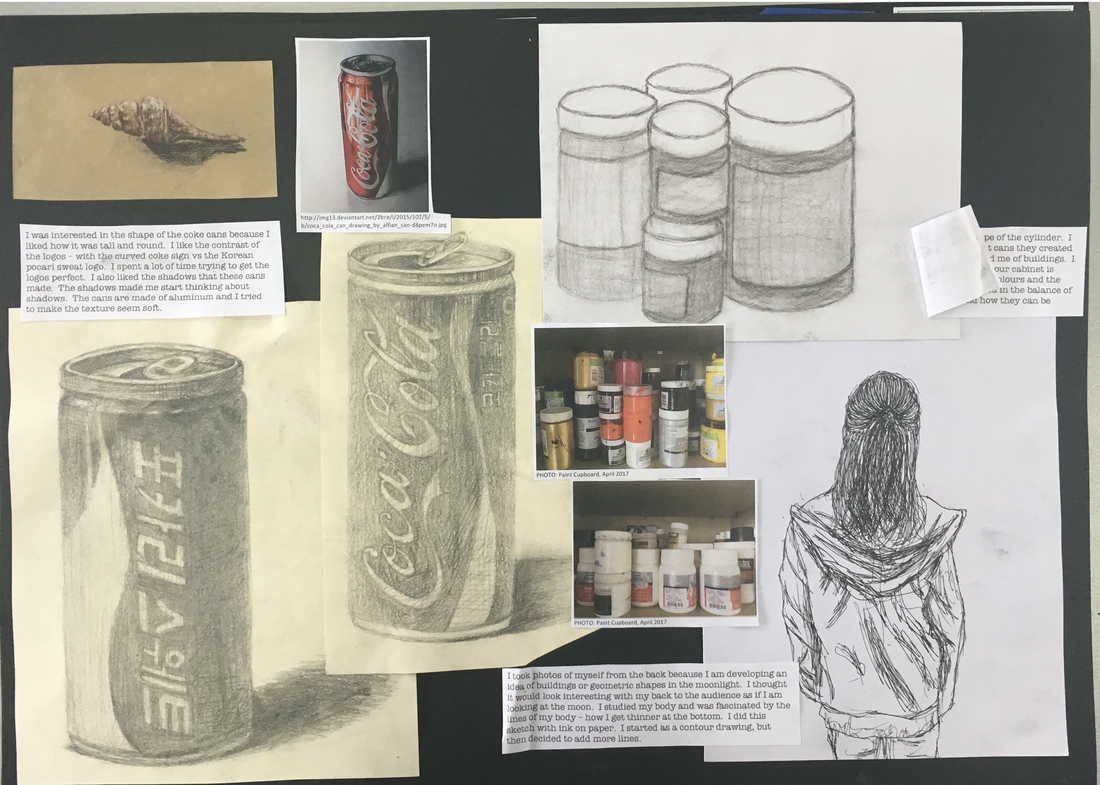
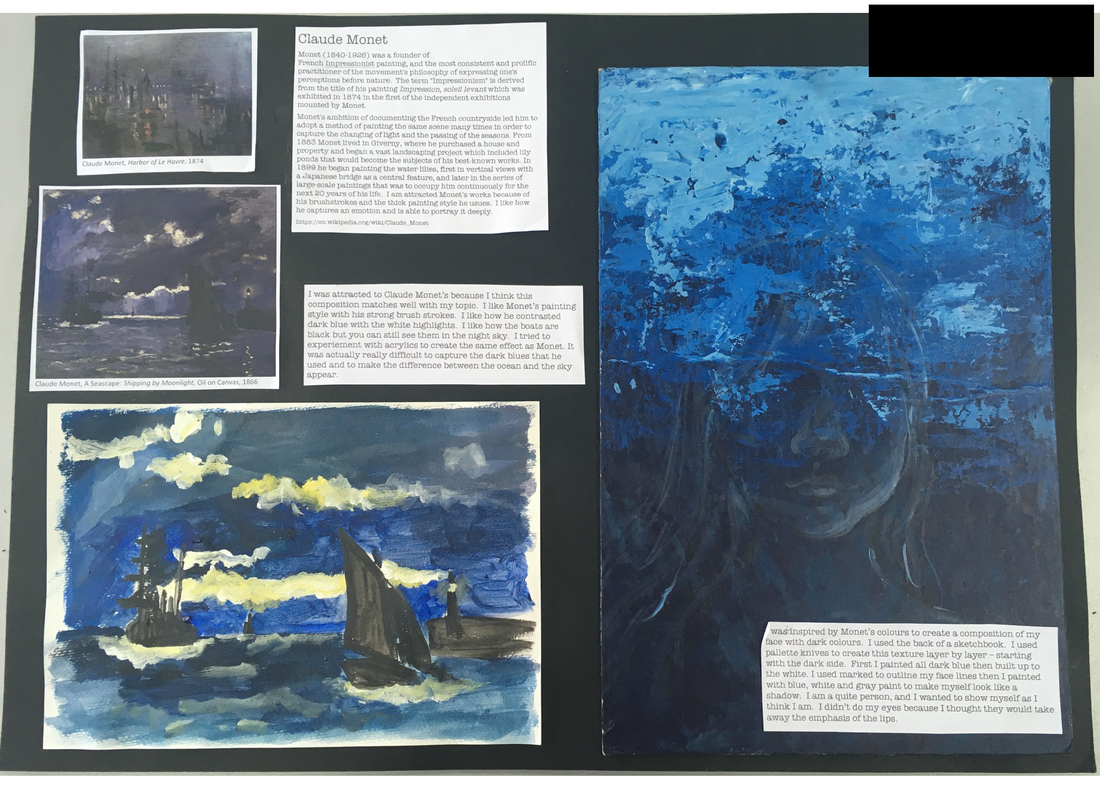
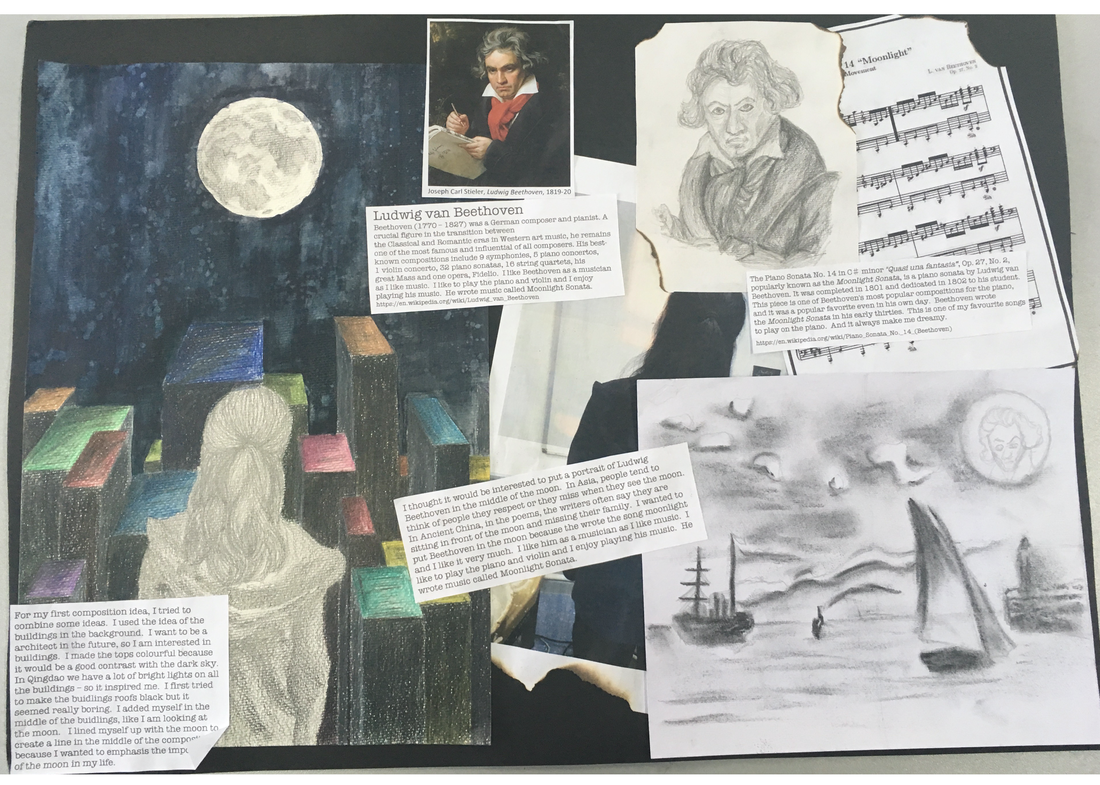
Exam Submission: MOONLIGHT SHADOWS, Final Work: Acrylic Paint
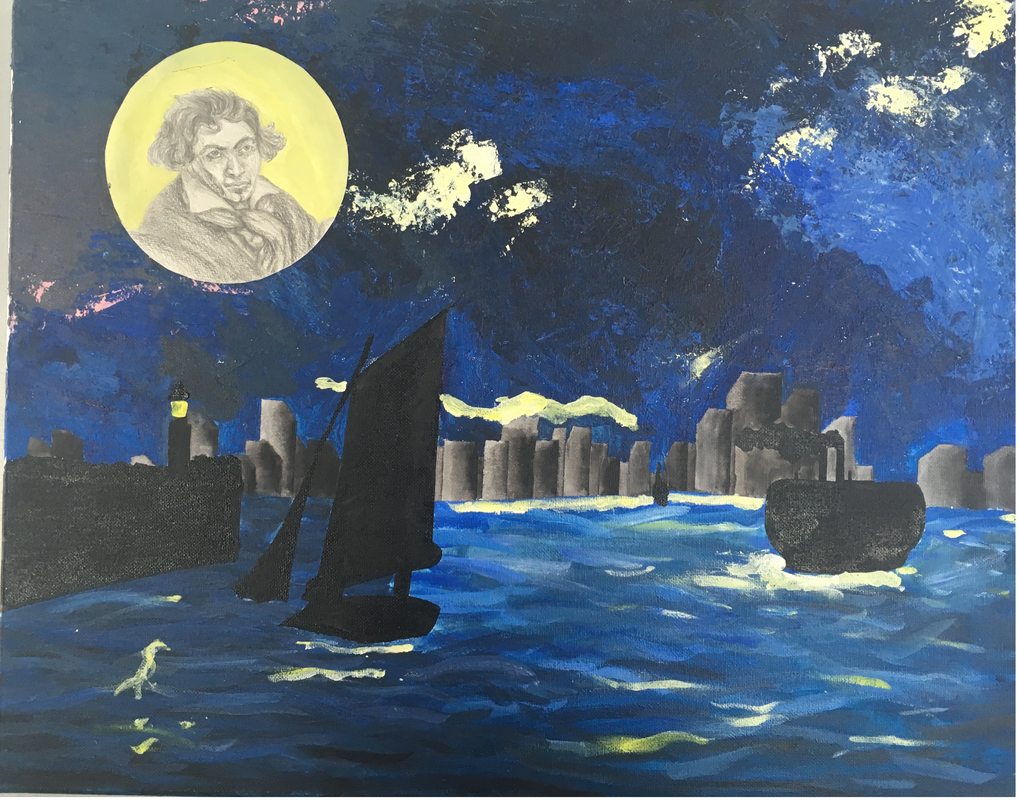
|
|
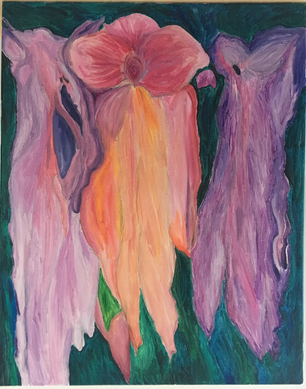
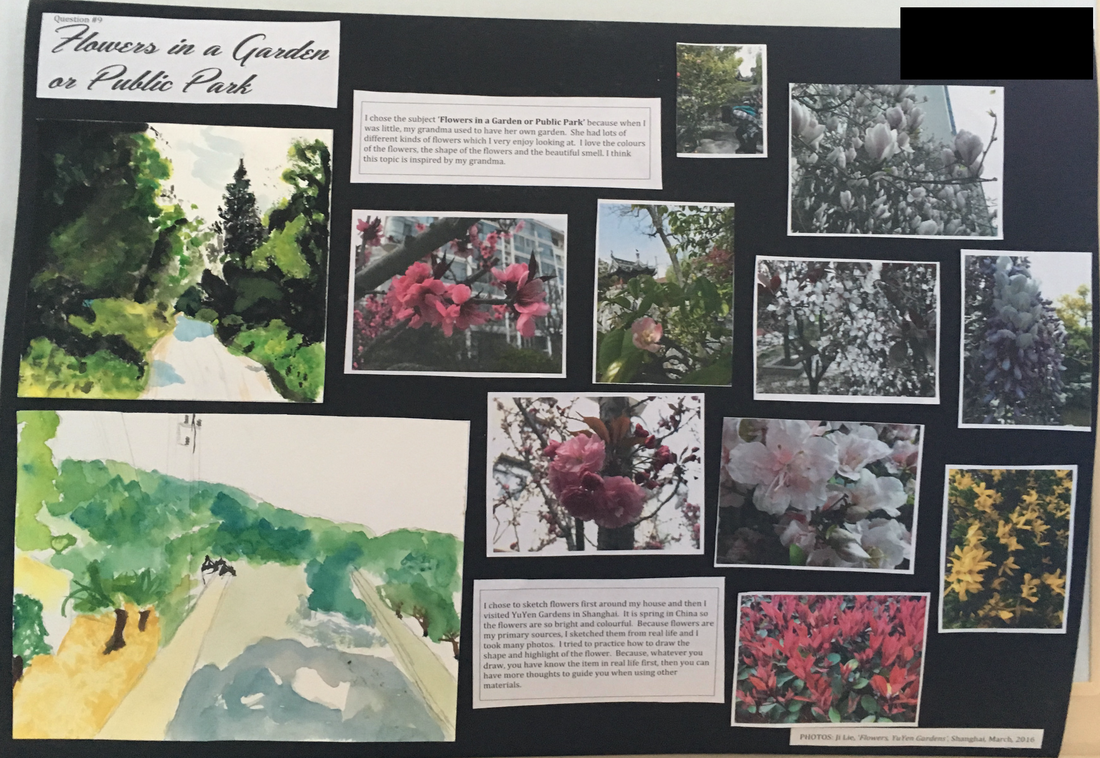
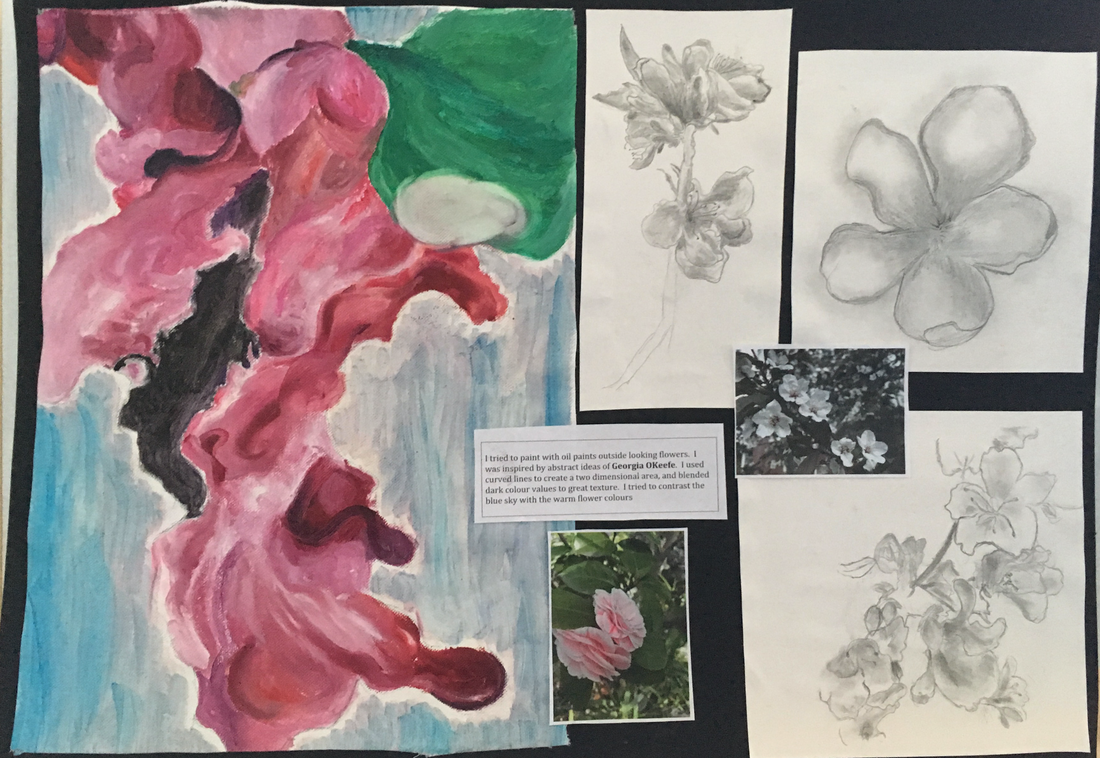
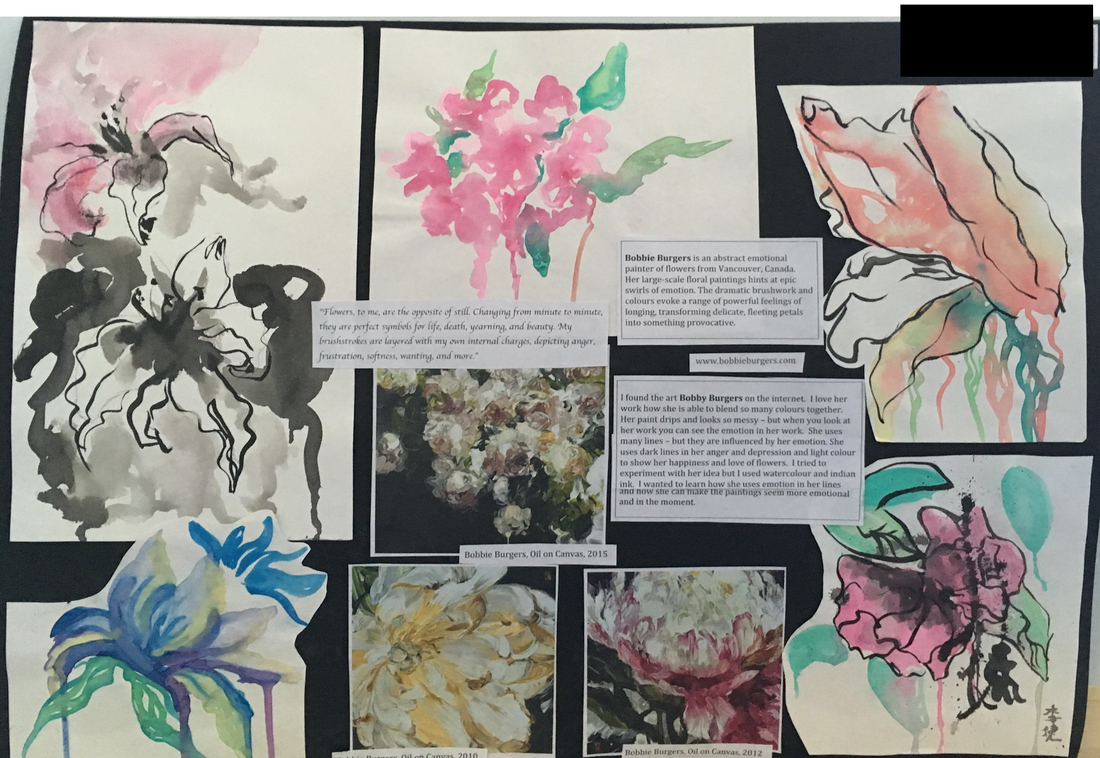
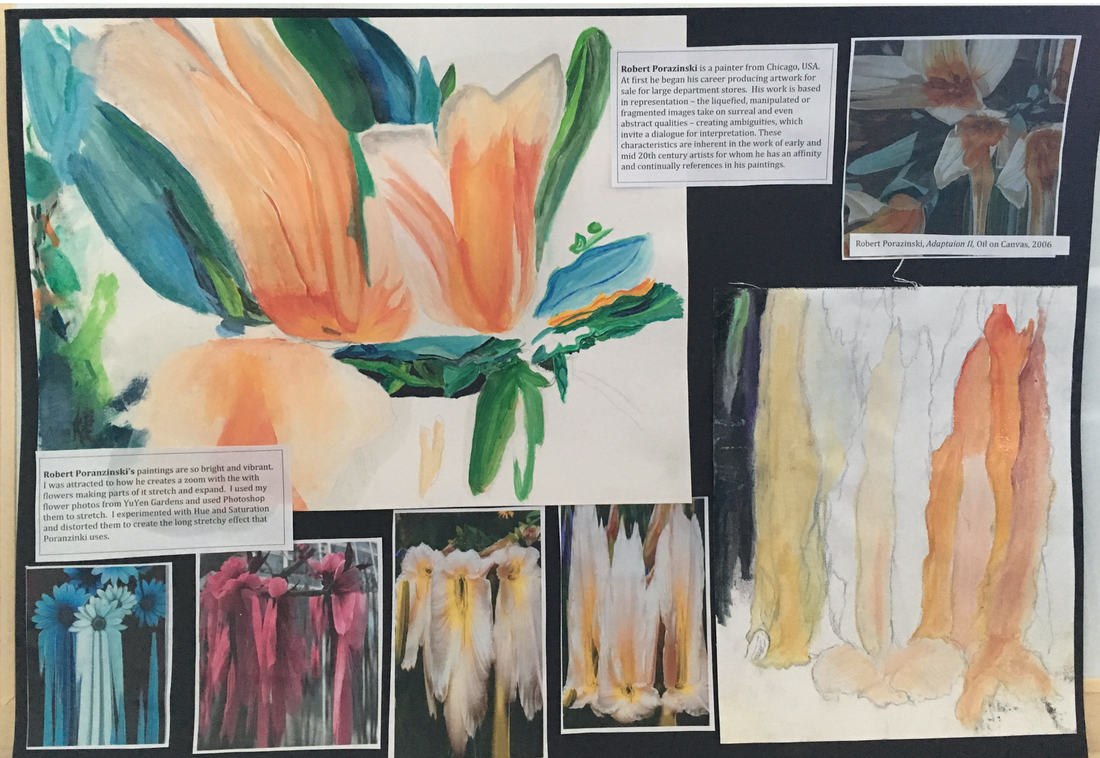
Exam Submission: FLOWERS IN A GARDEN OR PUBLIC PLACE, Final Work: Oil Paint
|
|
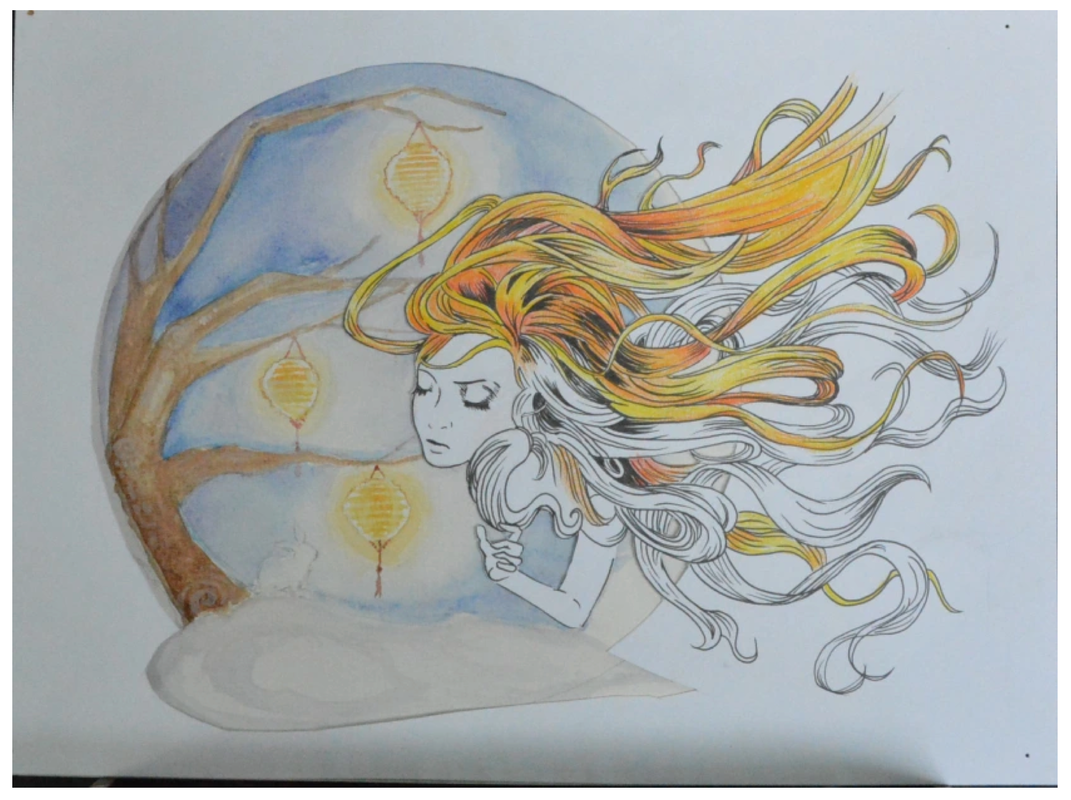
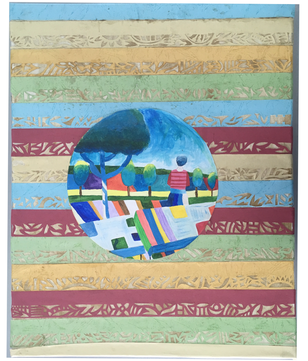
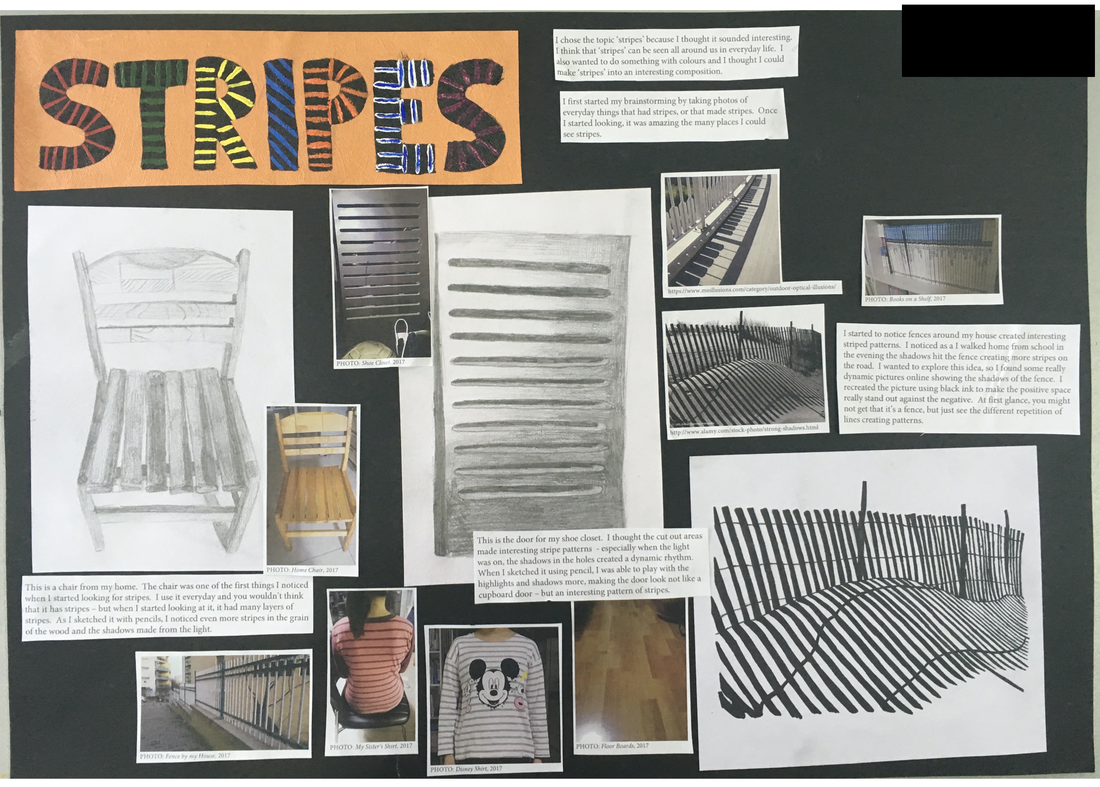
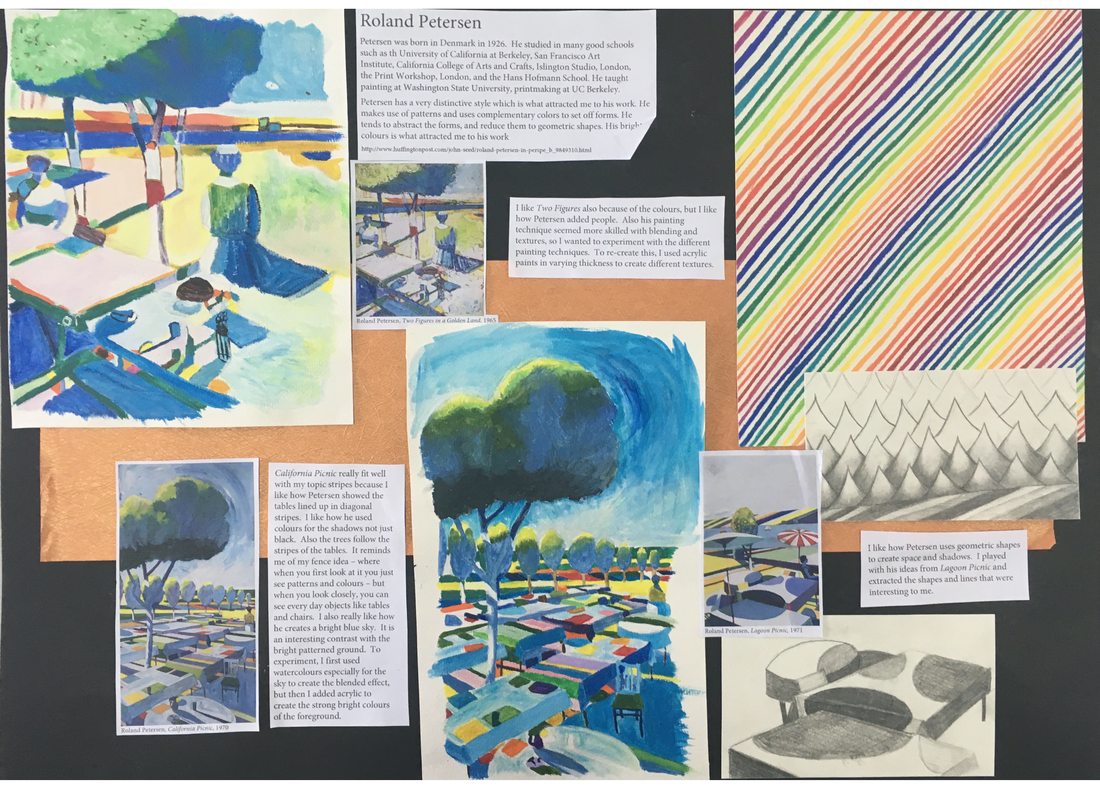
Exam Submission: STRIPES, Final Work: Paper Cut, Watercolour
|
|
HIGH SCHOOL ART
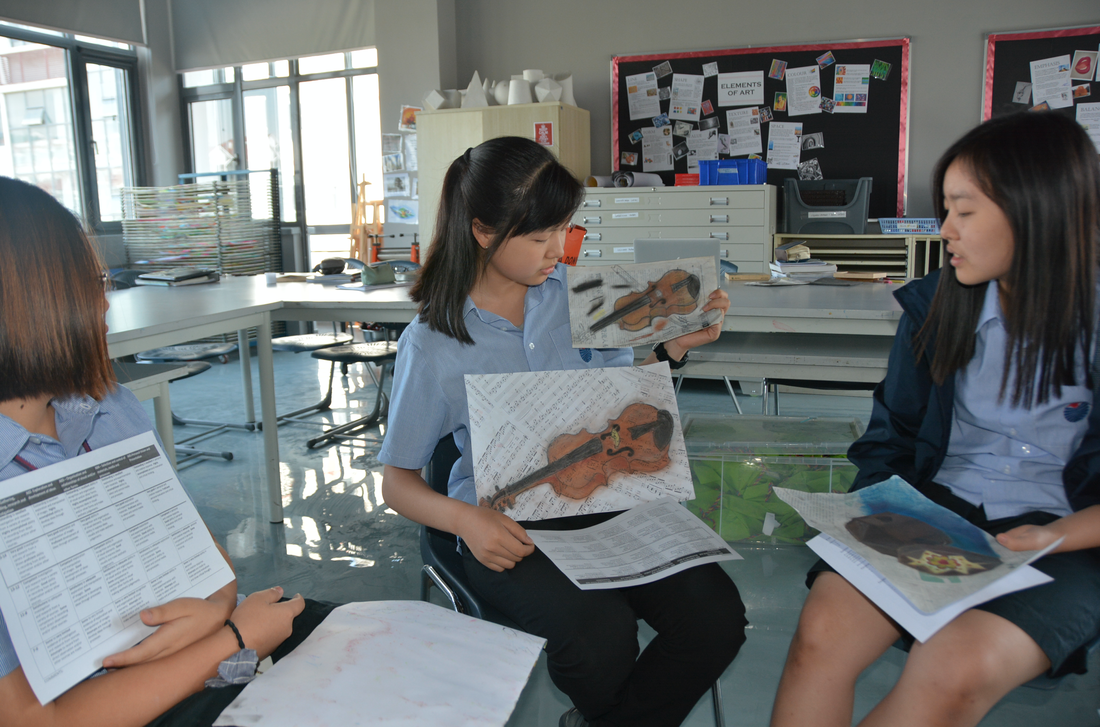
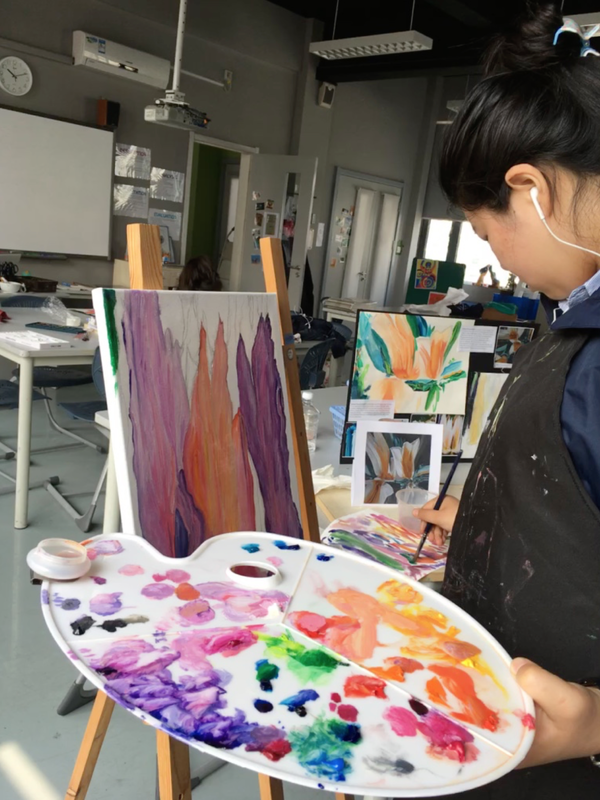
HS Art, starting at Year 9 is when students make their own course selections with a view to moving up through the standardized assessment processes of IGCSE in Year 10 and IB for 11 and 12. In order to support the students in both of those programs, the program was designed to develop the student's technical skills, compositional development and creative idea development.
LOWER SECONDARY ART
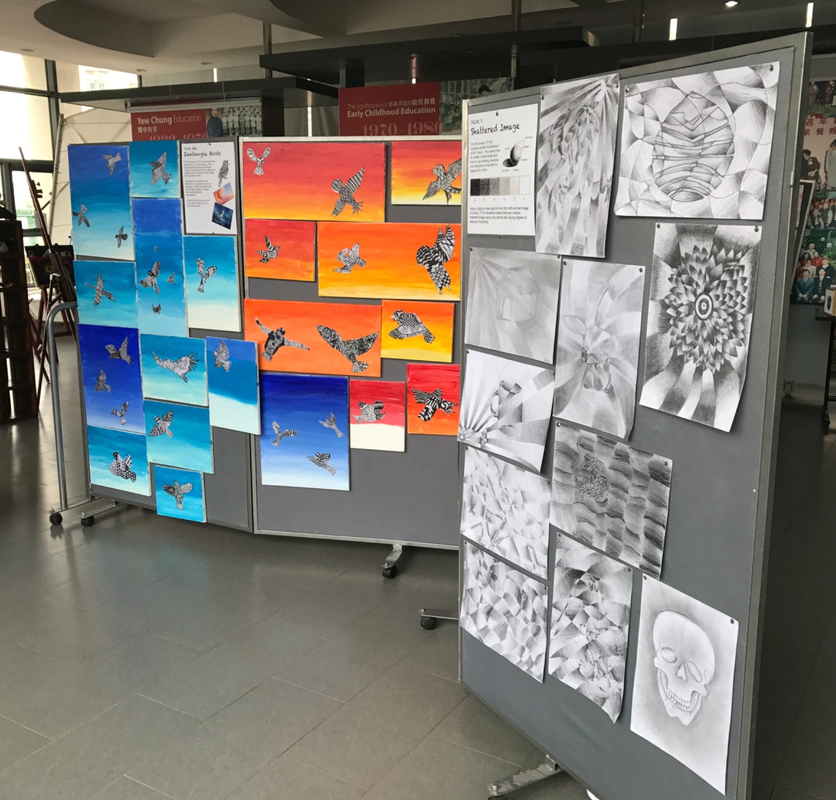
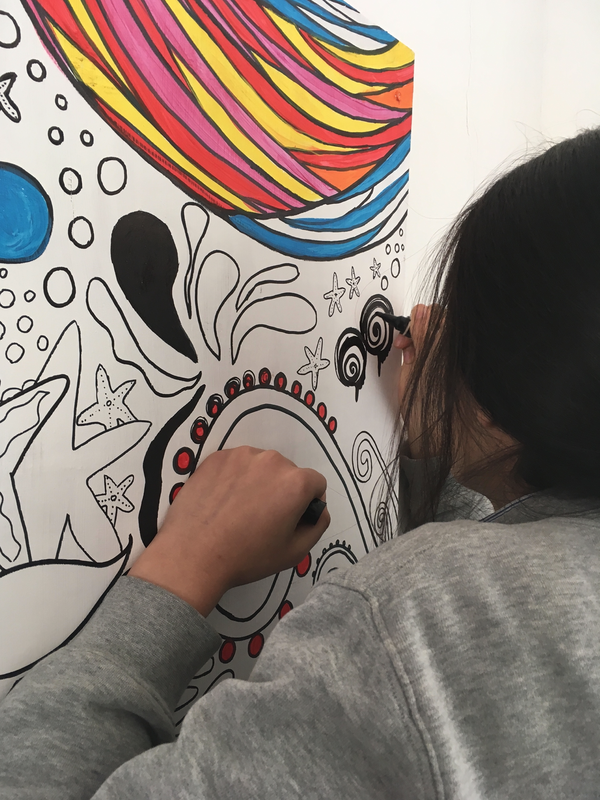
At YCIS, Lower Secondary Art is a scheduled class - which means all student take Art. It is scheduled alternatively with music and segmented into terms - with one term switching with Woodworking and Design Skills. Since in class art making time was limited, for LS Art, I tried to combine both technical skills with creative explorations - looking at our surroundings in different ways - from going outside to sketch and photograph what we see, using paper cuts to pay with composition, adding pattern, colour and distortion techniques to shake up our idea what is and what can be art.
GETTING EVERYONE INVOLVED IN ART AT YCIS
Even though YCIS Qingdao was a small developing population, the students were super engaged, creative and artistic. Parents were eager to be informed and included in the student’s and the few non-Art taking students were always supportive – and (surprising to themselves) able to get involved in the art as well.
In order to engage everyone in art, I developed a blog to showcase our Art work. I filled the walls with displays of student works and also continued with Photo Contests including creating a joint contest with my past school ISE.
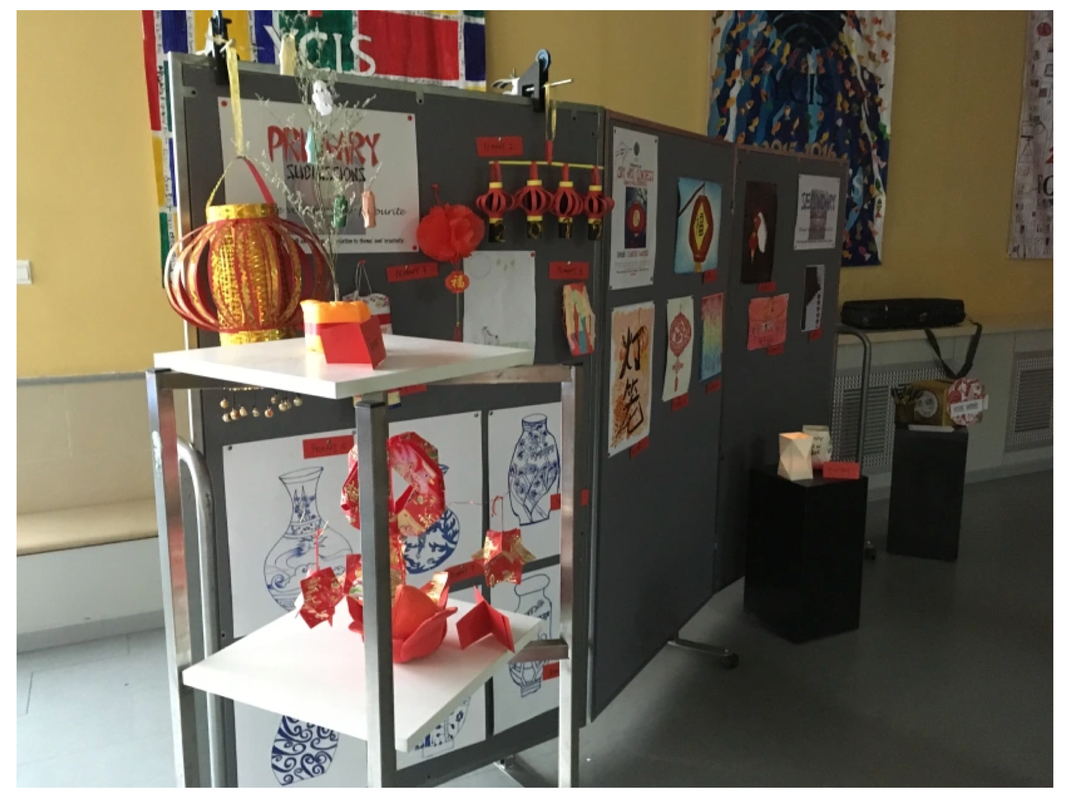
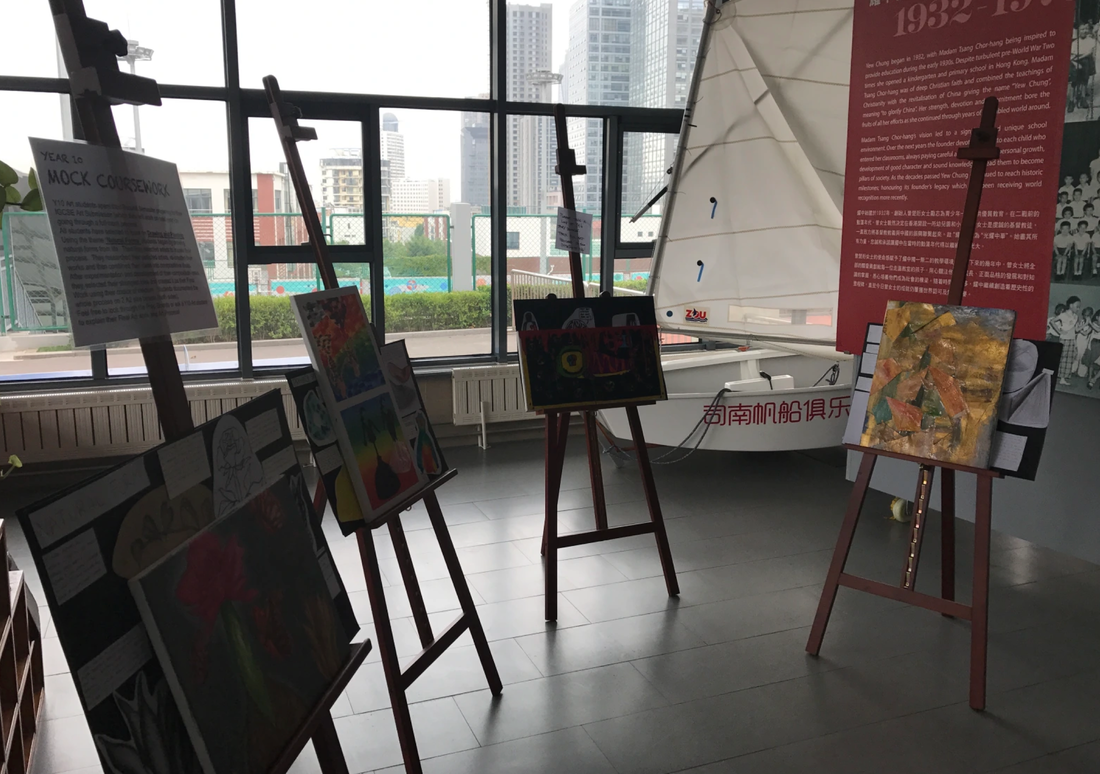
Every End of Year, Art took over the front lobby with our massive Art Gallery showcasing creative works from K-12 – and I continued with this tradition.. adding a twist. Since, in class, we focused on developing technical skills to prepare ourselves for IGCSE and IB, I also wanted to allow the students the ability to develop their own critical thought and unique creative style. So, we started our Art Contests. Because, really, who doesn’t love a contest! For each contest, a theme was selected and announced 2-3 weeks prior giving students sufficient (but always not enough) time to create their masterpieces. Submissions were displayed in a gallery
In order to engage everyone in art, I developed a blog to showcase our Art work. I filled the walls with displays of student works and also continued with Photo Contests including creating a joint contest with my past school ISE.
Every End of Year, Art took over the front lobby with our massive Art Gallery showcasing creative works from K-12 – and I continued with this tradition.. adding a twist. Since, in class, we focused on developing technical skills to prepare ourselves for IGCSE and IB, I also wanted to allow the students the ability to develop their own critical thought and unique creative style. So, we started our Art Contests. Because, really, who doesn’t love a contest! For each contest, a theme was selected and announced 2-3 weeks prior giving students sufficient (but always not enough) time to create their masterpieces. Submissions were displayed in a gallery